

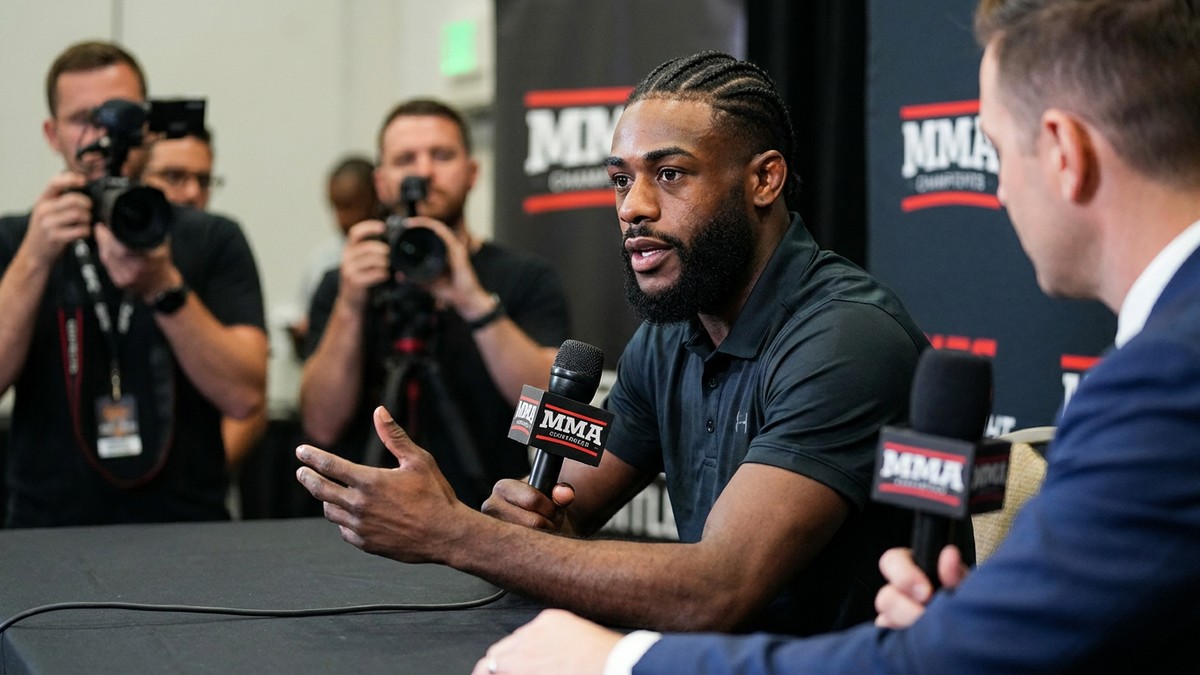
Aljamain Sterling has pushed back against the idea of banning oblique kicks, arguing that MMA officials should put greater emphasis on enforcing the rules already in place. The former UFC bantamweight champion addressed California Athletic Commission Director Andy Foster’s stated interest in examining a ban after an oblique-kick sequence drew attention earlier this month. Sterling’s position was not that the sport is free of danger. Instead, he questioned why a legal technique has become the focus when fighters already face striking exchanges and fouls that he believes require more consistent officiating.
Sterling made his comments Wednesday while speaking with Ariel Helwani on Helwani’s YouTube channel. He argued that the discussion around oblique kicks should be viewed alongside the broader risks that are already part of MMA. Sterling cited head kicks, elbows and knees while questioning whether the proposed response is proportionate to the technique under review. His criticism centered on priorities: in his view, accountability for referees and enforcement of existing rules should come before the creation of another restriction. That makes Sterling’s response a broader argument about officiating, not simply a defense of one strike.
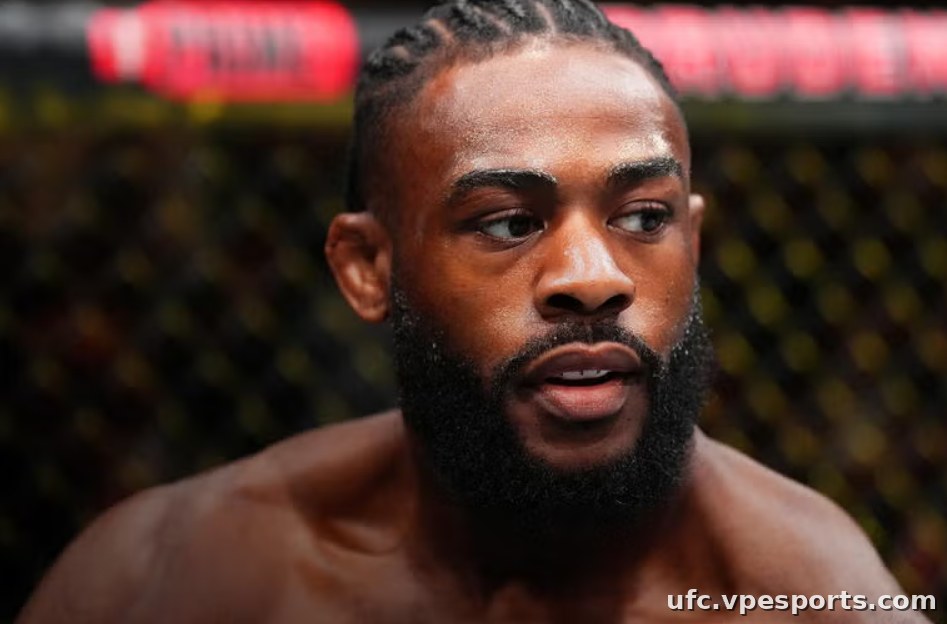
Sterling questions the focus on a legal technique
The recent debate followed Brunno Ferreira’s prelim bout with Edmen Shahbazyan at UFC 331. During the fight, Ferreira used oblique kicks, prompting Shahbazyan to protest because he believed the maneuver was illegal. The technique was not illegal. Shahbazyan won the fight and did not suffer any major injury from the kicks, but Foster afterward announced that he would be looking at banning the technique. Dana White quickly supported that position. Sterling challenged the premise that oblique kicks should receive that level of attention. “He’s gotta stop with this bullshit,” Sterling said of Foster. He questioned how a concern that a fighter may take too long to recover can be separated from the consequences of head trauma and other strikes seen in competition. Sterling also said the sport includes head kicks without shin pads and repeated elbows to the head, describing those risks as part of the reality fighters accept when they compete. His objection did not depend on claiming that oblique kicks cannot cause a nasty injury. Sterling acknowledged that concern while arguing that frightening injuries are not unique to one technique. He pointed to a fighter being flatlined by a head kick as another alarming image and described MMA itself as a scary sport. The distinction in his remarks is important: Sterling is disputing the priority given to a legal maneuver, rather than denying that the sport carries serious physical risk.
Sterling’s sharpest criticism concerned what happens when rules are already on the books. He said referees can watch a fighter take an illegal knee while the fighter has a knee on the ground, then asked whether accountability for following the rules should be fixed before new rules are added or changed. He also argued that competitors can defend an oblique kick by moving the leg, while noting that not many fighters are actually throwing them. That line of reasoning places the proposed ban beside a separate enforcement question. A ban would address one technique; Sterling’s concern is whether officials consistently act on fouls and review missed calls. He said refereeing has faced scrutiny because some referees have openly admitted they do not want to take points even when repeated fouls occur. Sterling did not call refereeing easy work, but said officials should review tape, ask why something was missed and look for ways to improve.
Accountability is Sterling’s central demand
Sterling said he respects Foster and noted that Foster checked on him after Marlon Moraes “sent me to another dimension.” Even with that personal acknowledgment, Sterling maintained that there are bigger issues to address. He specifically named following and enforcing rules that are already in place, saying they can be missed even by highly regarded referees. For Sterling, the desired response is accountability. He called for officials to examine missed moments and ask, “Why did I miss that? What can I do to be better?” His frustration was aimed at what he sees as a lack of urgency from some referees. The result is a clear challenge to the direction of the conversation: Sterling believes an effort to prohibit oblique kicks should not displace attention from consistent rule enforcement in the cage.
- Sterling’s position: Existing rules should be followed and enforced with greater accountability before additional rules are created.
- Context for the proposal: Ferreira used legal oblique kicks against Shahbazyan at UFC 331, after which Foster said he would look at banning the technique.
| Topic | Confirmed detail |
|---|---|
| Oblique kicks at UFC 331 | Ferreira used them during his fight with Shahbazyan; Shahbazyan believed they were illegal, though they were not. |
| Sterling’s priority | He called for accountability and enforcement of rules already in place rather than focusing first on a new ban. |
Aljamain Sterling’s response keeps the oblique-kick debate tied to a larger officiating issue. Foster’s interest in a ban came after the UFC 331 bout, and White quickly backed the idea. Sterling, however, argues that MMA should first confront whether its current rules are being applied consistently. His message is that the sport’s danger cannot be reduced to one legal technique while concerns about missed fouls and referee accountability remain.
Fight Talk
Share your take on this story
Start the Conversation
Be the first to share your take. Discuss the fight, reactions, and predictions with other fans.