

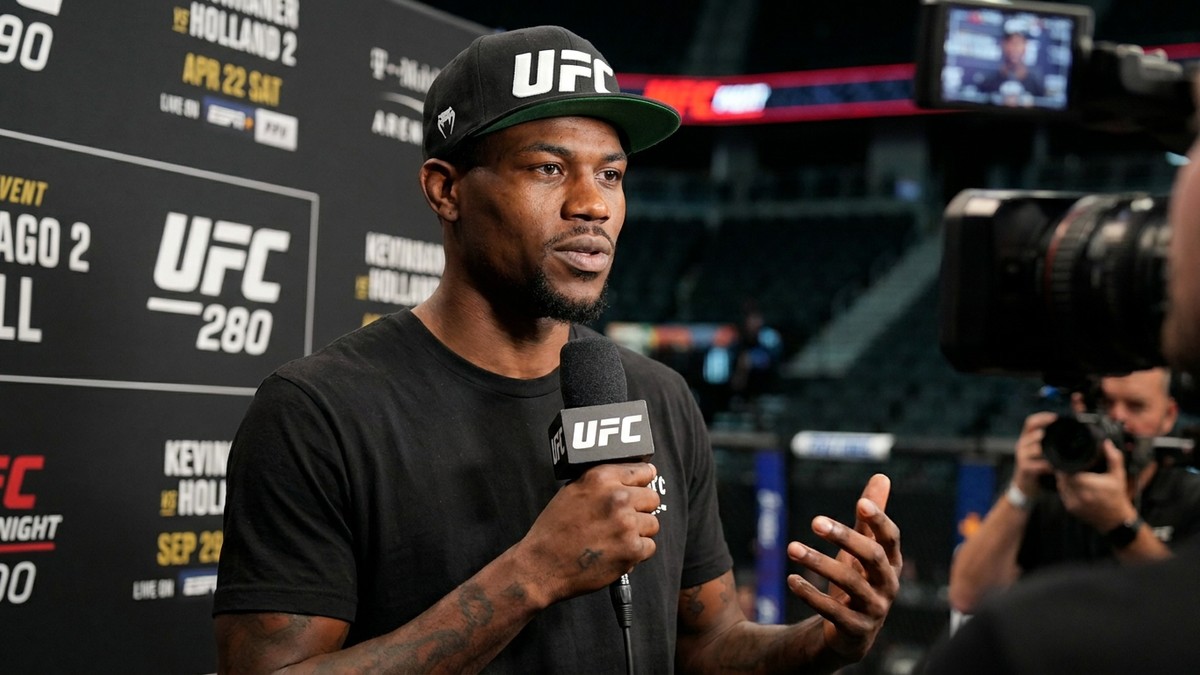
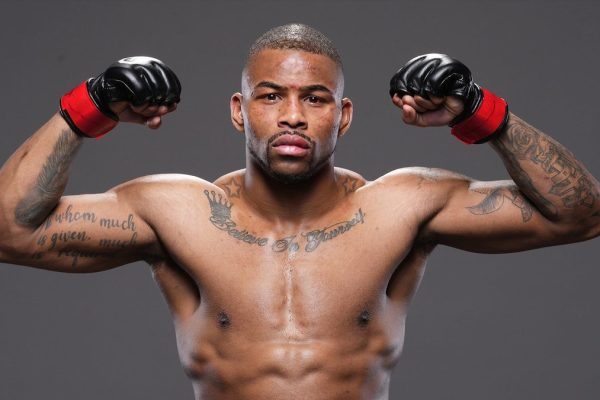
Kevin Holland has little interest in making referees the main target after controversial moments in MMA. The UFC veteran believes competitors enter the cage understanding both the danger of the sport and the instruction repeated before a fight: protect yourself at all times. In comments to MMA Fighting, Holland said officials are meant to safeguard fighters, but their presence does not replace a competitor’s own responsibility during an exchange. His view comes as Herb Dean faces renewed criticism, yet Holland’s argument is broader than one referee or one disputed sequence. He sees public campaigns against officials as an unhelpful response to a sport that can become chaotic in seconds.
The immediate backdrop is the reaction to Dean’s work at the UFC White House card, where Alex Pereira fought Ciryl Gane. Pereira was dropped by a punch and held onto Gane while trying to survive and recover. During that stretch, Gane landed punches and elbows, with replays showing that some strikes reached the back of Pereira’s head, an illegal target. Once the fighters returned to their feet, Gane continued attacking, and Dean stopped the bout to prevent Pereira from taking further damage. Pereira then publicly criticized Dean, and the referee has been booed more loudly when he appears on camera. Holland does not argue that fouls are acceptable or that the rules do not matter. Instead, he emphasizes the difficulty of seeing every detail when a fast sequence is unfolding. From his perspective, the sport’s unpredictability is exactly why a fighter cannot rely solely on an official to identify and correct every problem in real time.
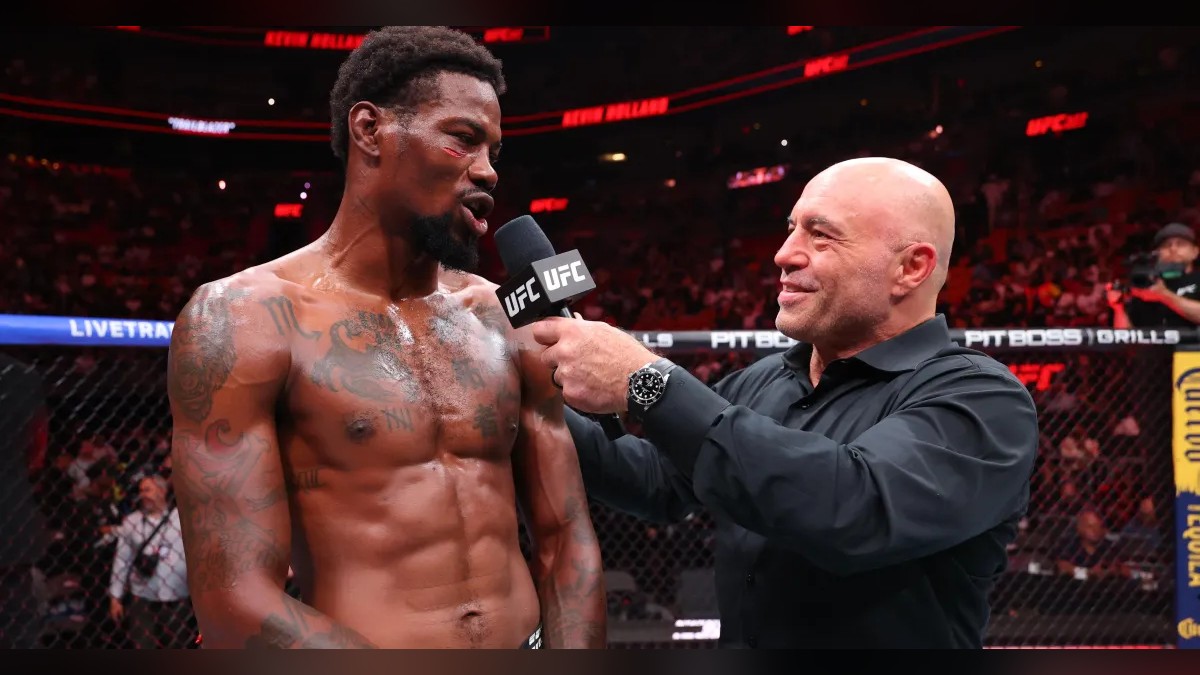
Responsibility remains Holland’s starting point
Holland’s position is not simply a defense of Dean. He accepts that referees sometimes provide full protection and sometimes cannot do so. That limitation, he says, is part of competing in MMA rather than a reason to shift all responsibility to the third person in the octagon. A referee has a duty to intervene when necessary, but Holland believes the fighter still has to be alert to the risks involved and act accordingly. He has been fouled many times himself and knows such moments are painful and undesirable. Even so, his experience has taught him that complaining has limited value once the action is over. Holland would rather see a competitor concentrate on what can be improved before the next appearance.
His central point is practical: fighters know the environment they are entering, and an imperfect call cannot erase that fact. In a messy fight, there may be actions an official misses, particularly when punches, clinches and ground exchanges happen quickly. Holland does not present that reality as an excuse for violations. He presents it as a reason for fighters to keep self-protection at the center of their approach. That outlook explains why Holland separates criticism of a call from a campaign to remove an official. He is not saying refereeing is beyond discussion; he is saying a fighter’s obligation does not disappear when officiating is imperfect.
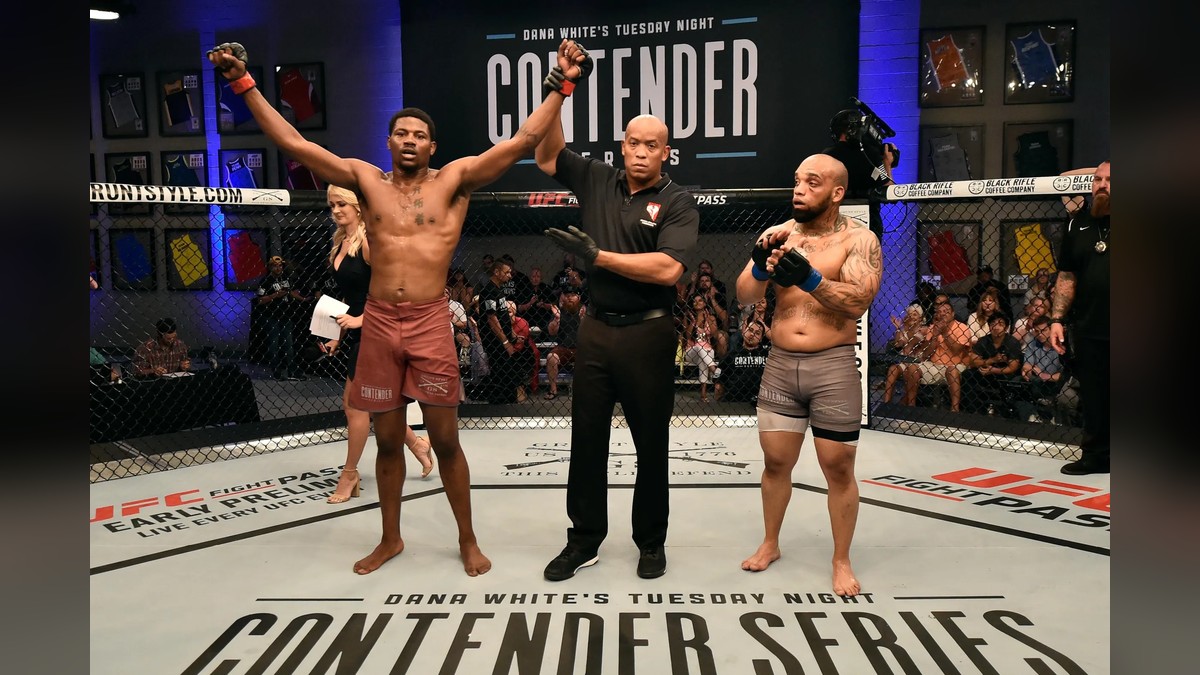
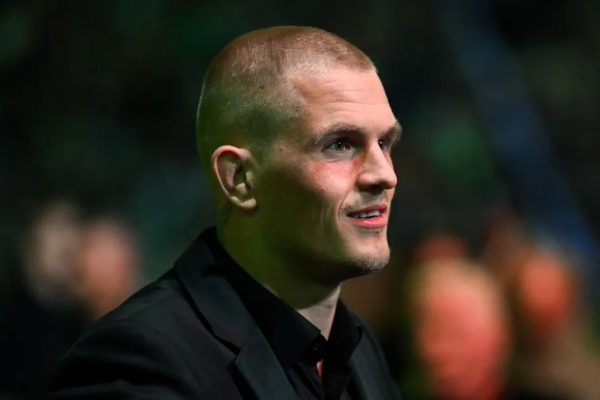
Holland placed the current uproar beside another disagreement involving Dean. He recalled Jamahal Hill being upset when Dean stepped between fighters at UFC 300 and did not allow what Hill considered a proper reset. Holland’s comparison was not offered to settle either situation. Rather, it showed his belief that referee complaints have long been part of the sport and are not limited to the Pereira-Gane bout. He also has personal experience with Dean that is not entirely positive or entirely negative. Holland said Dean officiated his fight with Khamzat Chimaev, which Holland remembered for short grabbings and unusual situations on the ground.
Despite those issues, Holland said he did not complain publicly. He also mentioned another occasion when he had a headbutt knockout while Dean was sitting on the sidelines. Holland described his history around Dean as a mixture of good and bad moments. Still, he said he would not campaign to have Dean fired or kept away from future events. In Holland’s assessment, Dean has been in the sport for a long time and is an O.G. in the game. He also suggested an official’s workload can differ from one night to another. The comparison below captures why Holland’s own history does not lead him to join the calls against Dean.
His own experiences do not change his view
Holland said he signed up to be a fighter and tries to put that identity first. Being unable to fight affects him deeply because competing is what he chose to do. That is why his conclusion remains the same whether the outcome is a win, loss or draw: a fighter accepted the experience and has to deal with what comes with it. His language on the subject was forceful, particularly when discussing the example he wants to set for his two sons. Holland said he does not want them to grow up believing it is acceptable to cry, complain or dwell on setbacks. The point beneath that phrasing was consistent with the rest of his comments: figure out what went wrong, improve and move forward.
He also noted that fighters are warned not to make the referee intervene in their fights because they may not like what the official has to say. Dean’s recent scrutiny may not quickly fade after Pereira’s public campaign. However, Dean has received public support from UFC CEO Dana White and Andy Foster, the executive director of the California State Athletic Commission. Holland is taking a separate approach from the debate around those reactions. He is not claiming that officials make every decision correctly. He is arguing that fighters should avoid making the referee the central explanation for what happened when they already understand the demands of the sport.
- Officials are there to protect athletes, but they cannot always catch every detail during a rapid and complicated sequence.
- Fighters should accept the risks attached to competition, protect themselves and work on doing better rather than making public complaints the main response.
| Ozadje | Holland’s account or position |
|---|---|
| Current debate around Dean | Holland addressed the criticism that followed Pereira’s fight with Gane at the UFC White House card. |
| Holland’s history with Dean | He recalled the Chimaev fight and an event involving a headbutt knockout, but said he would not seek Dean’s removal. |
| Temeljno načelo | Holland said fighters must protect themselves at all times, even though referees are there to protect them. |
Holland’s response to the referee debate leaves room for rules, fouls and difficult officiating decisions without treating those issues as the whole story. His comments stress that MMA moves fast, officials cannot always see everything, and fighters knowingly accept that setting. Drawing on his mixed experiences with Herb Dean, Holland favors responsibility, self-protection and improvement over a public campaign against a referee.

Pogovor o boju
Delite svoje mnenje o tej zgodbi
Začnite pogovor
Bodite prvi, ki bo delil svoje mnenje. Pogovorite se o boju, reakcijah in napovedih z drugimi oboževalci.