

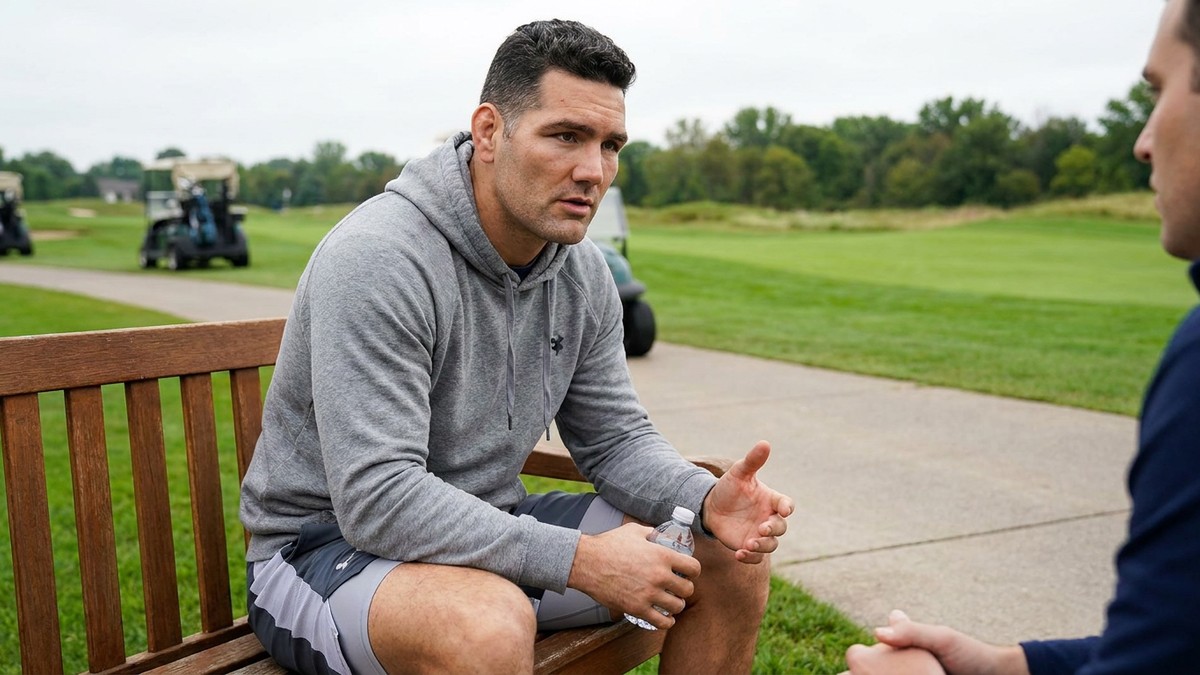
Chris Weidman has recalled difficult encounters with USADA testing, including a visit to a golf course and a warning tied to an unreported trip to his mountain house. Speaking on a recent episode of the Deep Waters podcast, Weidman shared anecdotes about the logistical challenges of the testing process. His stories offered a firsthand picture of how random calls and whereabouts requirements could collide with ordinary plans and fight preparation.
USADA handled testing for the UFC roster from 2015 through 2023. The system included random tests and a requirement for athletes to keep the agency updated on their whereabouts. For Chris Weidman, that arrangement meant testers could arrive during leisure time, travel or a period when he was trying to stay focused on a scheduled bout. The common thread in his recollections was timing: once contact was made, he said, the tester had to see him within roughly an hour, or perhaps an hour and a half. That made a missed location update more than a clerical annoyance, because getting back to the reported address could become the immediate problem.
Weidman’s stories show testing pressure
One of Chris Weidman’s examples came while he was golfing. He said testers came to the course and waited for him at the turn, where he provided urine and blood samples. He added that his companions had to wait while the collection was completed because, in his account, he could not leave the testers’ sight once they had located him. The episode is a useful example of how an out-of-competition test could interrupt an activity without advance scheduling. Chris Weidman also said he received a warning after going to his mountain house, which he described as two hours away, without updating that location in the USADA app. He recalled receiving a call that testers were at his house and then racing home. Traffic delayed him, he said, and the collector left. Weidman stressed that he did not fail a drug test; he described the outcome as a warning because he was not tested within the stated two-hour frame. That distinction is central to his account: the issue he described was a whereabouts and timing failure, not a positive test result.
The most tense account from Chris Weidman involved his planned appearance against Yoel Romero at UFC 205. Weidman identified the card as the UFC’s first event in New York City and said he was determined to compete as a Long Island native. He said he injured his knee three and a half weeks before the fight and underwent surgery, while choosing not to tell the UFC because he wanted to remain on the card. After returning from the hospital, he said he had an IV band on his arm and was taking painkillers when USADA arrived at his door. Weidman recalled removing material from his leg and attempting to appear as though he had not just had surgery. He characterized the situation as a nightmare and said he was paranoid about getting in trouble, though he said it ultimately ended up being good. The sequence explains why this visit stood apart from the golf-course inconvenience: it occurred amid an injury, surgery and a looming scheduled fight.
A narrow window shaped each episode
Weidman’s stories make the pressure of the whereabouts system easy to understand. A location entry, a return journey and an in-person collection all carried immediate consequences for the athlete’s day. In the mountain-house story, the key fact was not a failed sample but his inability to reach the address before the collector departed. In the UFC 205 story, the unexpected knock at the door created anxiety because Weidman believed the visible signs of medical treatment could raise questions. The Deep Waters discussion also included accounts from Jorge Masvidal and Dustin Poirier, both limited to their own experiences with the same testing agency. Their stories provide context for why Chris Weidman’s anecdotes were not simply about one unusual call. Masvidal described waiting after a hard training session and sauna visit before he could provide a sample, while Poirier recalled completing urine and blood testing at a truck dealership after he could not reach home in time. The conversation therefore centered on the logistical demands that fighters said accompanied random testing during the USADA period.
- Chris Weidman said testers met him at a golf course, where he provided urine and blood samples at the turn.
- Chris Weidman said an unreported stay at his mountain house led to a warning after he could not return to his listed home in time.
| Weidman episode | What happened |
|---|---|
| Golf course collection | Testers waited at the turn, and Weidman said he gave urine and blood samples. |
| UFC 205 preparation | Weidman said USADA arrived after his knee surgery, which he placed three and a half weeks before his scheduled fight with Yoel Romero. |
Weidman was not alleging a failed test or announcing a fight. He was describing the day-to-day strain of USADA’s whereabouts system and unannounced collections during the agency’s UFC tenure from 2015 to 2023. From the golf course to the attempted trip home and the period before UFC 205, Weidman described how a short response window could turn routine testing into a high-pressure part of a fighter’s schedule.

Fight Talk
Share your take on this story
Start the Conversation
Be the first to share your take. Discuss the fight, reactions, and predictions with other fans.