

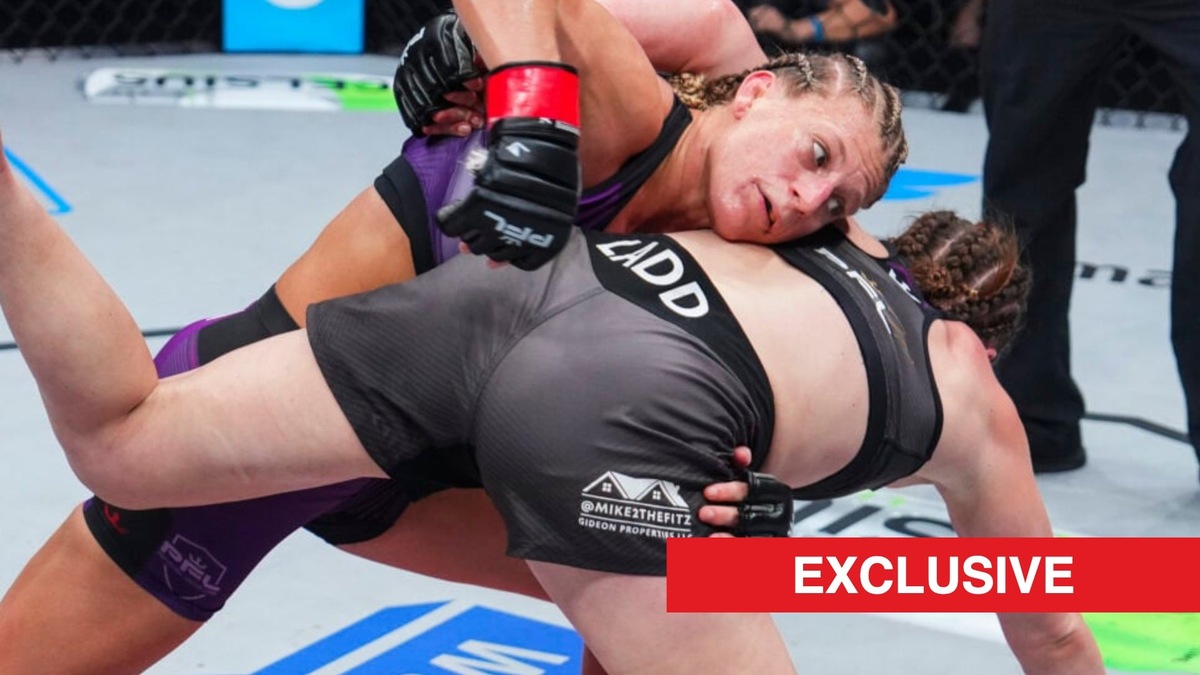
Aspen Ladd believes Kayla Harrison’s cut to the UFC bantamweight limit carries a serious cost. Ladd faced Harrison at 150 pounds in the PFL in 2023 and remembers the size and strength Harrison brought at that higher weight. Watching the two-time Olympic champion repeatedly reach 135 pounds has left her concerned, although her comments are an opponent’s assessment rather than a medical diagnosis.
Harrison has made the championship limit for her UFC title fight and reached 136 pounds for two non-title appearances. That record shows she can complete the cut under the rules. It does not reveal what the process feels like, how much recovery it requires or whether every future attempt will unfold the same way.
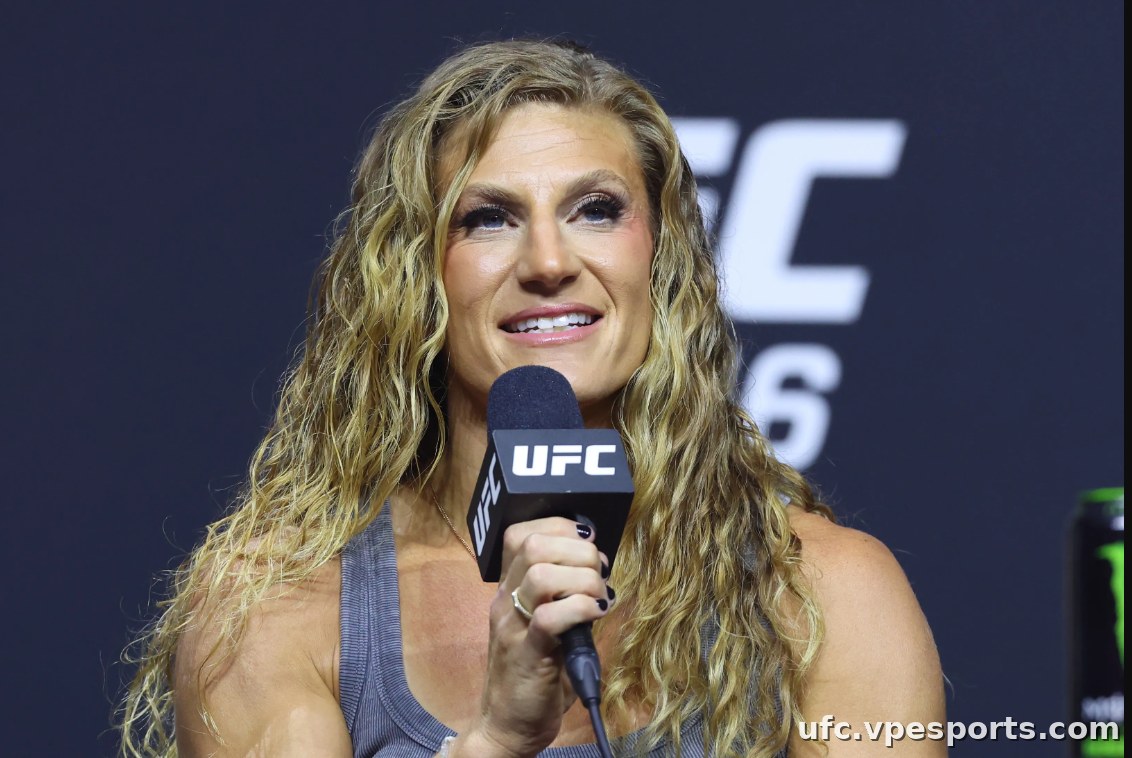
Ladd Speaks From Personal Experience
Ladd’s view carries context because she has competed against Harrison and has her own difficult history with UFC weight cuts. She knows the difference between an athlete’s normal training weight and the number required at the scale. Her concern is that forcing Harrison’s frame down from the divisions where she spent most of her career may remove years from her competitive life.
That last point should remain attributed to Ladd. No medical records have been released to establish long-term damage, and an outside observer cannot calculate health consequences from a weigh-in photograph. Harrison herself has previously used similarly stark language about the strain of the cut, which explains why the discussion persists. It still does not turn a prediction about future health into a confirmed fact.
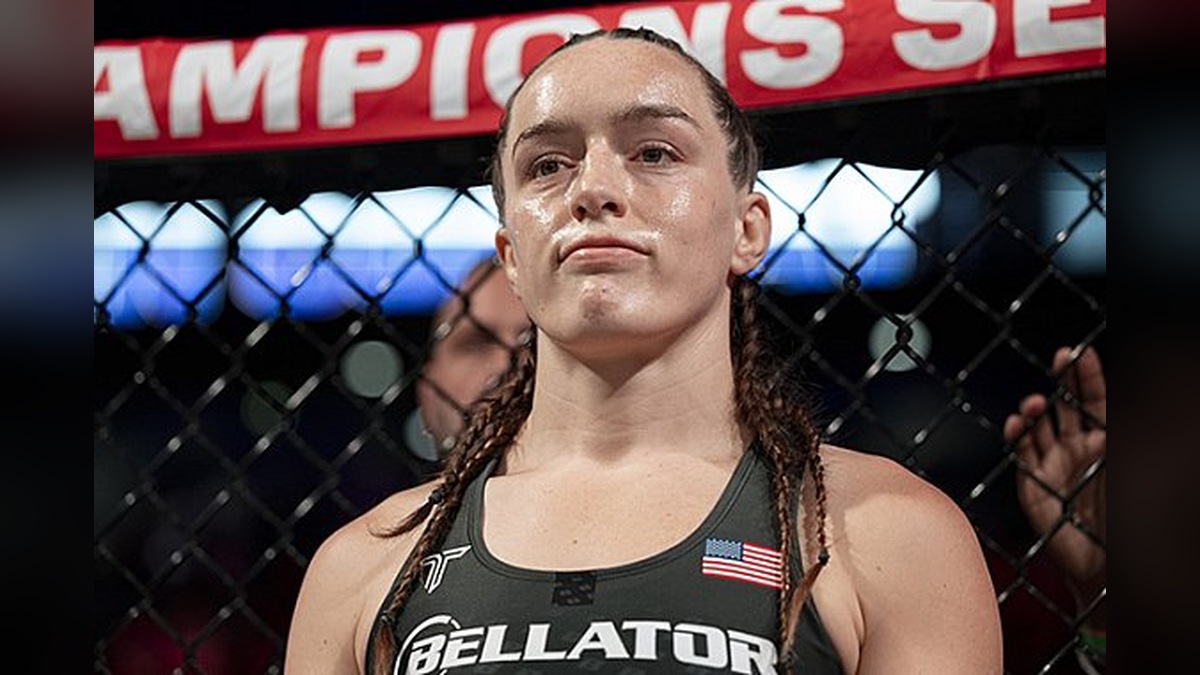
The sporting incentive is clear. The UFC’s women’s bantamweight division offers Harrison a championship stage that was not available to her at 145 pounds after Amanda Nunes retired and the featherweight title was closed. Reaching 135 created the fights she wanted and led to a belt. The same decision also requires her to repeat a demanding physical process before every appearance.
Making Weight Is Only the First Test
A successful weigh-in means an athlete met the contracted limit at one moment. The competition takes place after rehydration, when timing, durability and sustained pace matter more than the number on the scale. Harrison has so far been able to perform after the cut, but each camp has to manage the balance again. Past success lowers uncertainty without eliminating it.
Ladd’s own career makes her cautious rather than neutral. She missed weight during her UFC run and experienced the public and professional consequences that follow. That history can give her insight into the strain while also shaping how strongly she interprets another fighter’s cut. Readers can take the concern seriously without treating it as an independent medical evaluation.
Harrison’s physical advantages are part of why bantamweight opponents watch the process closely. If she reaches the limit and recovers fully, her strength and grappling remain difficult problems. If the cut compromises her, the effect may appear in pace or durability. Opponents will plan for both possibilities rather than assume the scale alone decides the fight.
The responsible conversation is therefore about management, not alarm. Harrison and her team have access to the daily information outsiders lack. Athletic commissions verify the contracted weight, while medical professionals determine whether she can compete. Ladd can describe what she sees and what she experienced; the health conclusion belongs to evidence that has not been made public.
- Ladd fought Harrison at 150 pounds in the PFL and says the drop to bantamweight concerns her.
- Harrison has repeatedly made the UFC limit, but no public medical evidence confirms long-term harm.
| Weight-cut question | What is established |
|---|---|
| Harrison’s UFC division | Women’s bantamweight |
| Ladd’s perspective | Former opponent with her own history of difficult cuts |
| Medical conclusion | No public diagnosis supports a definitive claim of damage. |
Ladd’s warning is worth reporting because it comes from someone who has shared a cage with Harrison and endured difficult cuts herself. It should also be reported with its boundary intact. Harrison has met the required weight and won at bantamweight; Ladd fears the process is too costly. The next camp will provide another performance to judge, not a substitute for medical evidence.
Sources: Bloody Elbow
Fight Talk
Share your take on this story
Start the Conversation
Be the first to share your take. Discuss the fight, reactions, and predictions with other fans.