

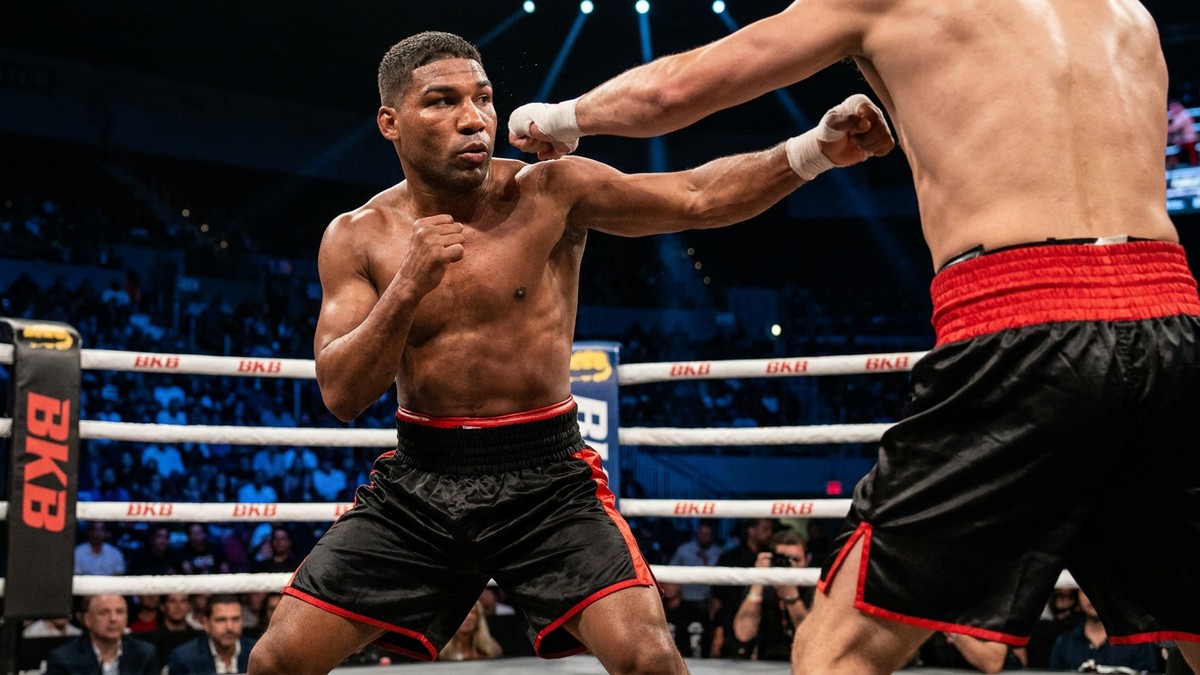
Yuriorkis Gamboa began his bare-knuckle career by trusting the skills that carried him through decades of amateur and professional boxing. The Cuban veteran defeated Yesner Talavera by unanimous decision at BKB 58 in Miami, winning all three scorecards 50-44 after five rounds inside the promotion’s three-sided Trigon.
At 44, Gamboa was not going to improve his chances by turning the debut into a contest of toughness. He used footwork, head movement and short counters to make Talavera’s pressure work against him. The gloves were gone and the fighting area was unfamiliar, but the logic of his performance remained recognizably that of an experienced boxer.
Talavera continued advancing, which gave the bout its central tension. Gamboa had to judge the smaller space without becoming trapped, then answer before his opponent could reset. He repeatedly slipped outside, leaned away from the first punch and returned with cleaner shots.
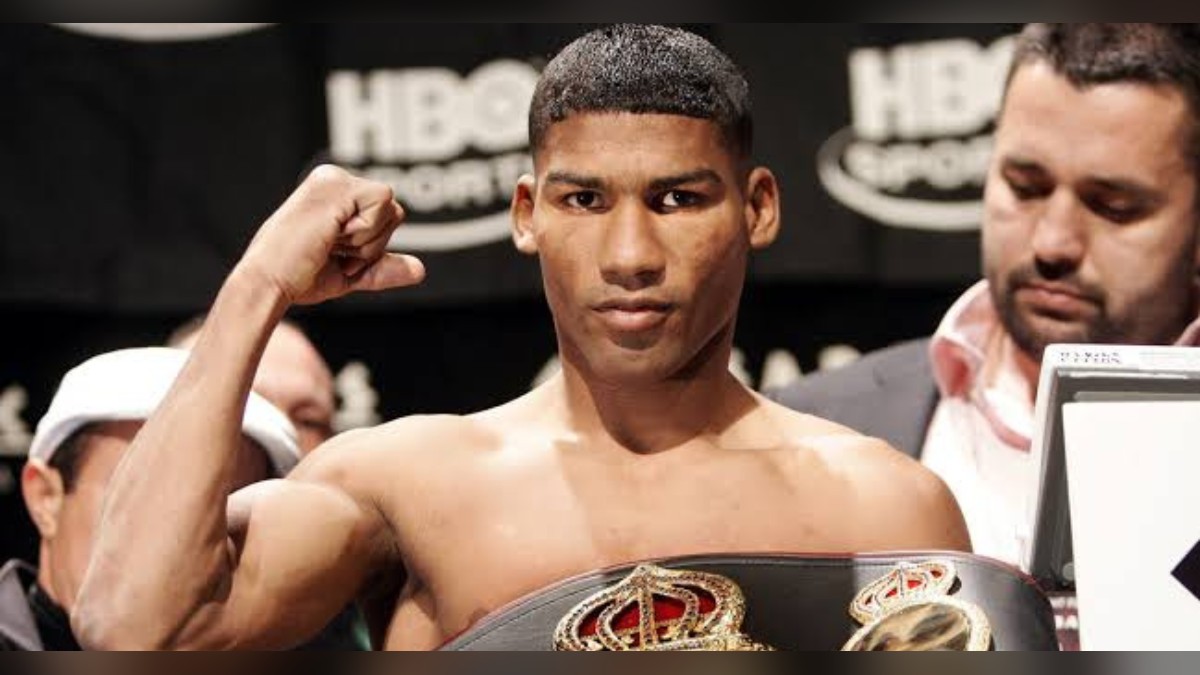
Defense created Gamboa’s best offense
Bare-knuckle boxing punishes small defensive mistakes. A glancing punch can open a cut, and a fighter who stays in range after landing may take unnecessary damage. Gamboa managed that risk by refusing to hold his feet in front of Talavera for long exchanges.
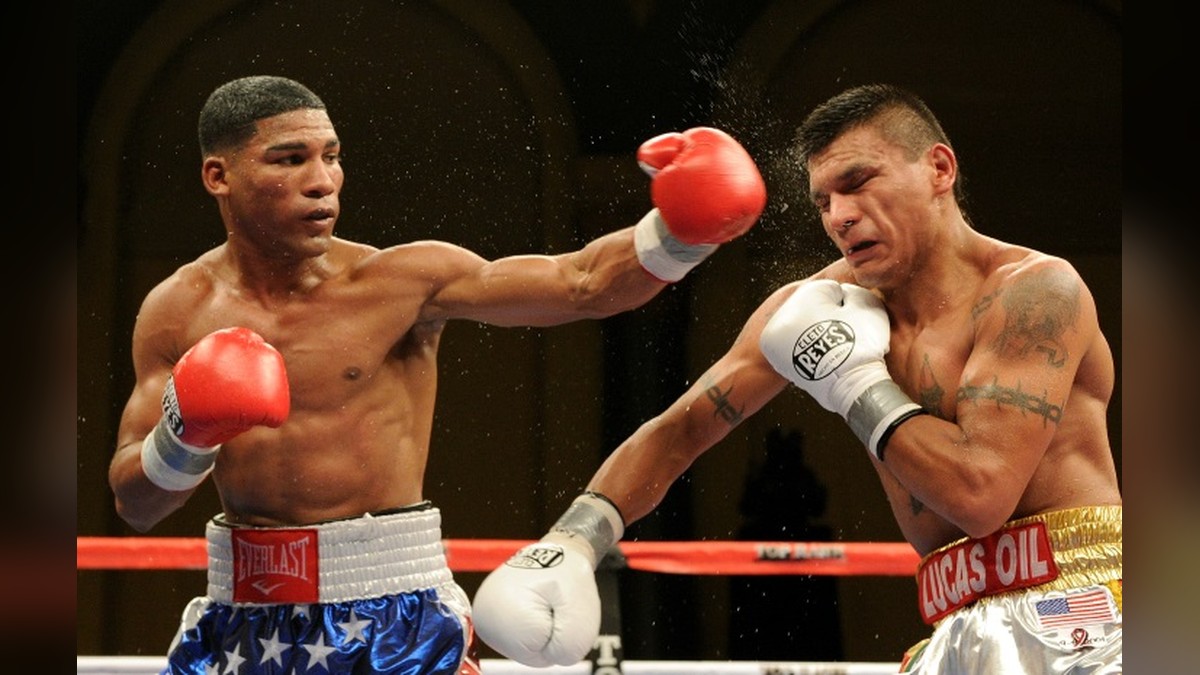
His counters began with distance. When Talavera stepped too far into an attack, Gamboa moved just beyond the punch and fired into the opening. When the pressure reached closer range, he used compact turns and slips rather than trying to cover up behind gloves that were no longer there.
The approach did not produce a knockout, but it controlled the rounds. Scores of 50-44 from every judge show that the officials consistently preferred Gamboa’s accuracy and command of the exchanges. The margin also reflects a point deduction or 10-8 scoring within the five-round totals, while the unanimous pattern leaves no doubt about the winner.
Most importantly, Gamboa came through the debut without abandoning his strengths. New rules often tempt a veteran to prove he can trade in a different style. He treated the Trigon as a problem of angles and timing instead.
Olympic craft carries into a new format
Gamboa’s technique has a deep foundation. He won Olympic flyweight gold for Cuba at the 2004 Athens Games and later captured world titles at featherweight and super featherweight as a professional. His speed and explosive movement were central to that success, even as age changed the pace he could maintain.
BKB 58 did not recreate the athlete from his championship prime, nor did it need to. The debut asked whether an older fighter could adapt his judgment to exposed fists and a triangular ring. Gamboa answered by making fewer unnecessary exchanges and choosing moments where experience still provided an advantage.
The victory does not establish a long-term bare-knuckle plan on its own. No next opponent was announced with the result. It does, however, give Gamboa a successful first entry into the format and shows that his defensive instincts remain useful when the margin for error becomes smaller.
There was another practical success in the way Gamboa finished the night. He did not allow the absence of gloves to turn every exchange into an emergency, and he remained disciplined across all five rounds. For a veteran entering a punishing format at 44, controlling damage was part of winning, not a sign of caution. The wide cards rewarded that judgment as much as the visible counters.
- Gamboa defeated Yesner Talavera by unanimous decision at BKB 58.
- All three judges scored the five-round bout 50-44.
- The event took place August 29 at the James L. Knight Center in Miami.
| Part of the debut | Gamboa’s answer |
|---|---|
| Talavera’s pressure | Movement and slips kept Gamboa from becoming a stationary target. |
| Bare-knuckle risk | Short counters replaced long, exposed exchanges. |
| Judges’ verdict | Gamboa won every card by the same 50-44 score. |
Gamboa’s name brought history to BKB 58, but reputation did not win the rounds for him. He earned the decision by reading pressure, leaving the line of attack and punching when Talavera was least prepared to answer. The setting was new; the craft was not. That distinction made his bare-knuckle debut a convincing success rather than a novelty appearance.


Fight Talk
Share your take on this story
Start the Conversation
Be the first to share your take. Discuss the fight, reactions, and predictions with other fans.