

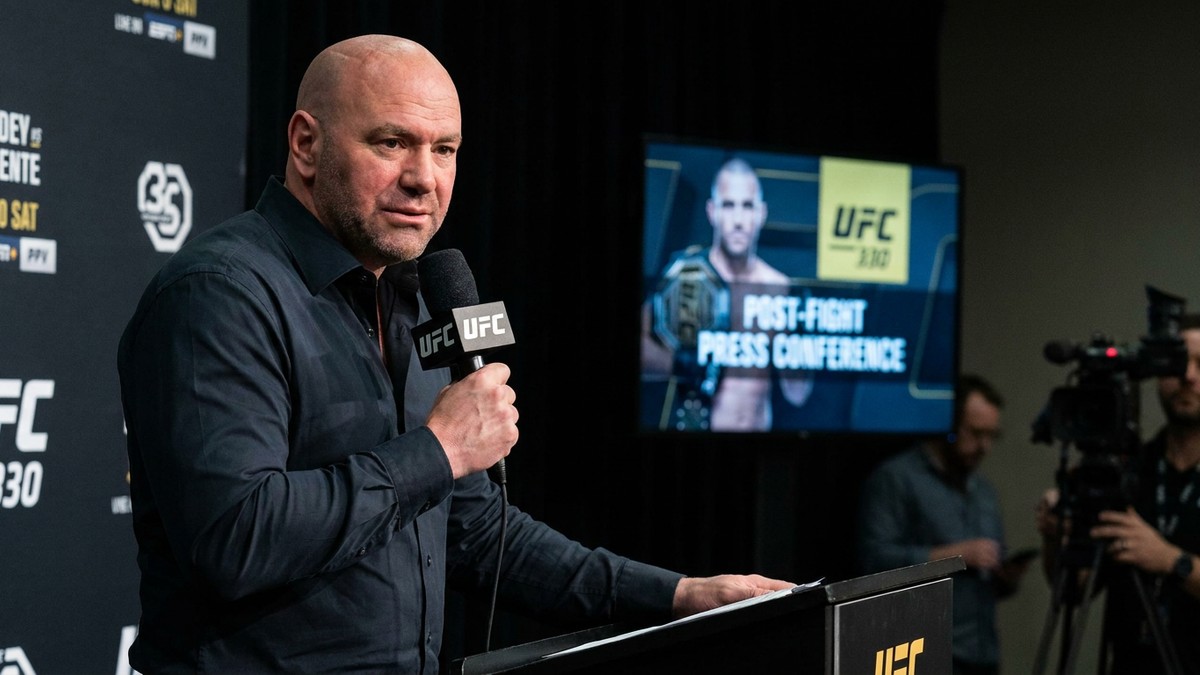
Ian Garry’s title-fight loss to Islam Makhachev at UFC 330 has produced two notably different assessments of the challenger’s work. Dana White believed Garry allowed a chance to win to pass by, while Javier Mendez regarded the same measured performance as an impressive display of a fighter’s mentality. Their disagreement is not about the official result. Makhachev won the welterweight championship main event by unanimous decision and remained champion. The divide concerns how Garry tried to deal with that challenge and whether his restraint should be viewed as a mistake or a disciplined choice.
The August 15 main event was not defined by sustained action. Garry relied largely on defensive counter-striking, and Makhachev was careful not to overextend. Mendez accepted that the fight was somewhat lacklustre, but he did not see that as proof that Garry had performed without purpose. White reached the opposite conclusion after the bout, focusing on the challenger being too passive and too respectful of Makhachev. In White’s reading, those qualities kept Garry from doing enough to take the title. Mendez’s response instead placed the emphasis on the composure, control and mental side required for Garry to maintain his approach against the champion.

White saw a title chance go unclaimed
White’s criticism was rooted in the outcome and in what he felt Garry failed to force during the championship contest. He saw the challenger as overly respectful of Makhachev and insufficiently active in a fight where the belt was on the line. From that perspective, Garry’s cautious approach did not create enough of an opportunity to win. The unanimous decision left Makhachev holding the UFC welterweight championship, giving White’s verdict a direct result to point to: the champion retained, and Garry’s challenge fell short. White was not presented as dismissing tactics altogether. His objection was that Garry’s level of restraint did not give him the chance he needed to take the championship. That makes his argument one about consequence as much as style. A defensive plan may have a logic, but White believed Garry’s execution was too passive to change the outcome in his favour. The post-fight debate therefore begins with a shared fact and then moves in different directions. Both White and Mendez were addressing a decision defeat, yet one treated the lack of greater initiative as the central problem and the other found value in Garry’s ability to stay disciplined.
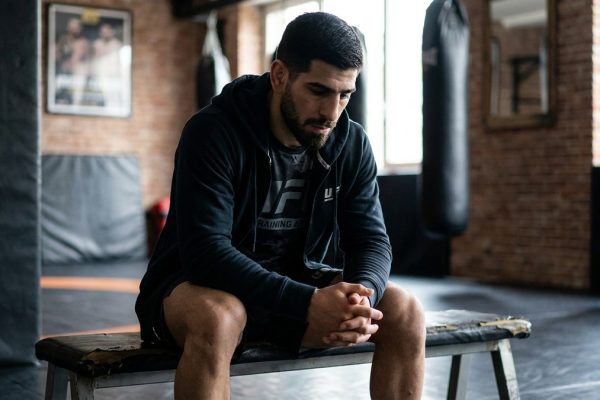
Mendez did not deny that White’s perspective had a basis. He said he understood where White was coming from and also recognised the lack of action in the contest. His disagreement was with reducing Garry’s restraint to a simple failure. As the American Kickboxing Academy head coach, Mendez focused on what he believed the performance showed mentally. He said White did not understand what Garry had pulled off or the mentality involved. For Mendez, that missing context changed the evaluation. Garry’s approach was not merely inactivity in his view; it was a deliberate effort to remain defensively responsible while operating in a cautious fight. Makhachev’s own reluctance to overextend was part of the same picture. Rather than treating the quiet nature of the bout as the whole story, Mendez judged the choices Garry made within it and the discipline needed to keep making them.
Mendez praised Garry’s defensive discipline
Mendez called Garry’s work genius from a coach’s perspective. His praise centred on the Irishman’s defensive counter-striking and on the mentality Mendez believed was visible in that strategy. That position does not alter the decision or erase the shortage of action Mendez himself acknowledged. It offers a different way to understand why Garry fought as he did. Mendez was impressed by the challenge of staying composed and committed to a defensive approach against Makhachev, particularly when the opponent also avoided overextending. White measured the performance by whether it gave Garry a sufficient route to win the belt. Mendez measured it through the control and mental discipline behind Garry’s tactics. Those standards lead to sharply different judgments of the same contest. The result remains clear: Makhachev retained the UFC welterweight title by unanimous decision. The disagreement remains clear as well: White considered Garry too passive to seize the opportunity, whereas Mendez considered the challenger’s approach an intelligent and impressive piece of coaching-level strategy.
- White’s assessment: Garry was too passive and overly respectful of Makhachev, which White believed prevented him from doing enough to win the championship.
- Mendez’s assessment: Garry’s defensive counter-striking and composure showed impressive mentality and a strategy Mendez described as genius from a coach’s perspective.
| Téma | Overený kontext |
|---|---|
| UFC 330 main event on August 15 | Islam Makhachev defeated Ian Garry by unanimous decision and retained the UFC welterweight championship. |
| Reason for the disagreement | White focused on Garry’s passivity, while Mendez praised the discipline and defensive purpose behind Garry’s approach. |
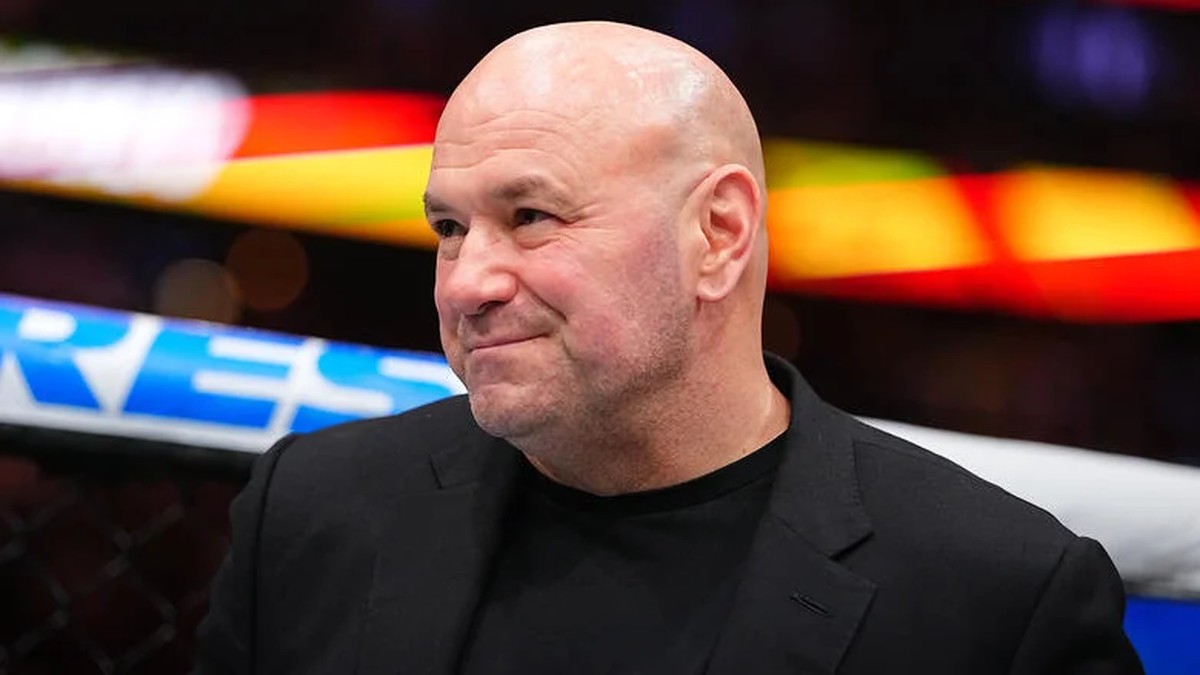
The UFC 330 main event left Makhachev as welterweight champion, but it also left room for a dispute over Garry’s performance. White’s verdict was that the challenger showed too much respect and not enough activity to win. Mendez accepted that the bout lacked action, yet argued that Garry’s defensive counter-striking reflected exceptional discipline and mentality. For readers, the contrast explains why the same decision loss can be described either as a missed opportunity or as a tactically impressive effort that did not earn the result.


Bojové rozhovory
Podeľte sa o svoj názor na tento príbeh
Začnite konverzáciu
Buďte prvý, kto sa podelí o svoj názor. Diskutujte o súboji, reakciách a predpovediach s ostatnými fanúšikmi.