

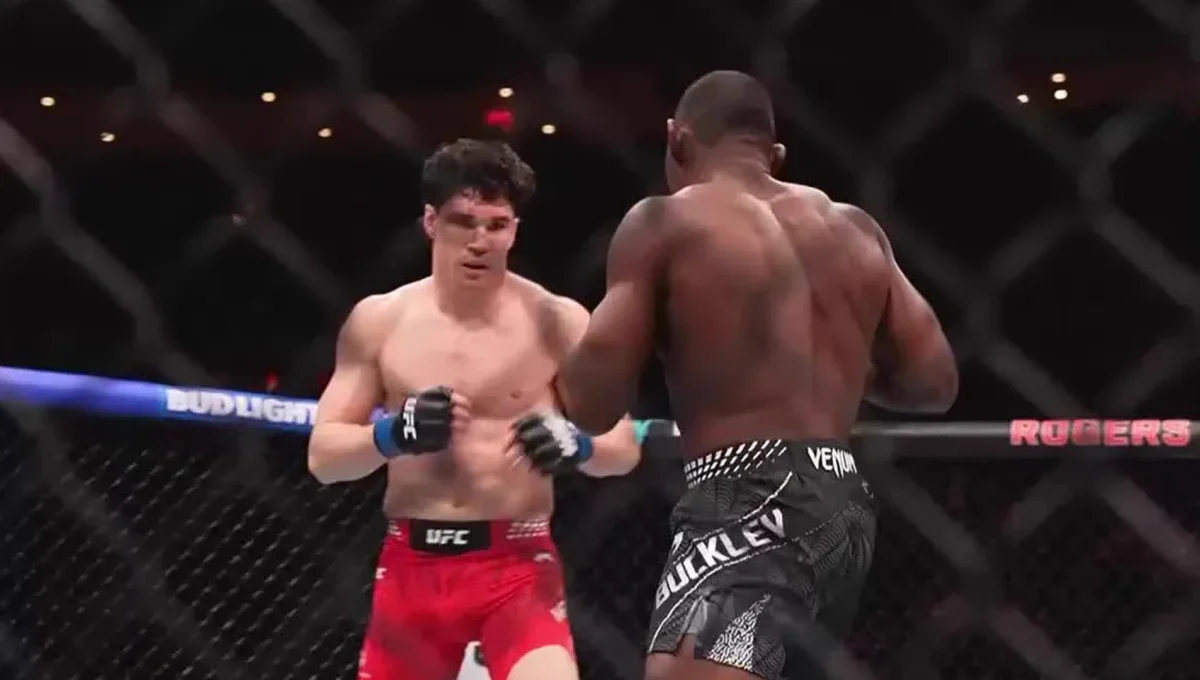
Malott chose patience over a rushed first round
Buckley was known first for violent finishes, so a flurry of wide swings was exactly what he would have welcomed. Malott declined that invitation. He answered with calculated entries, forced Buckley to reset, and studied how the American dropped his level while he closed the gap.
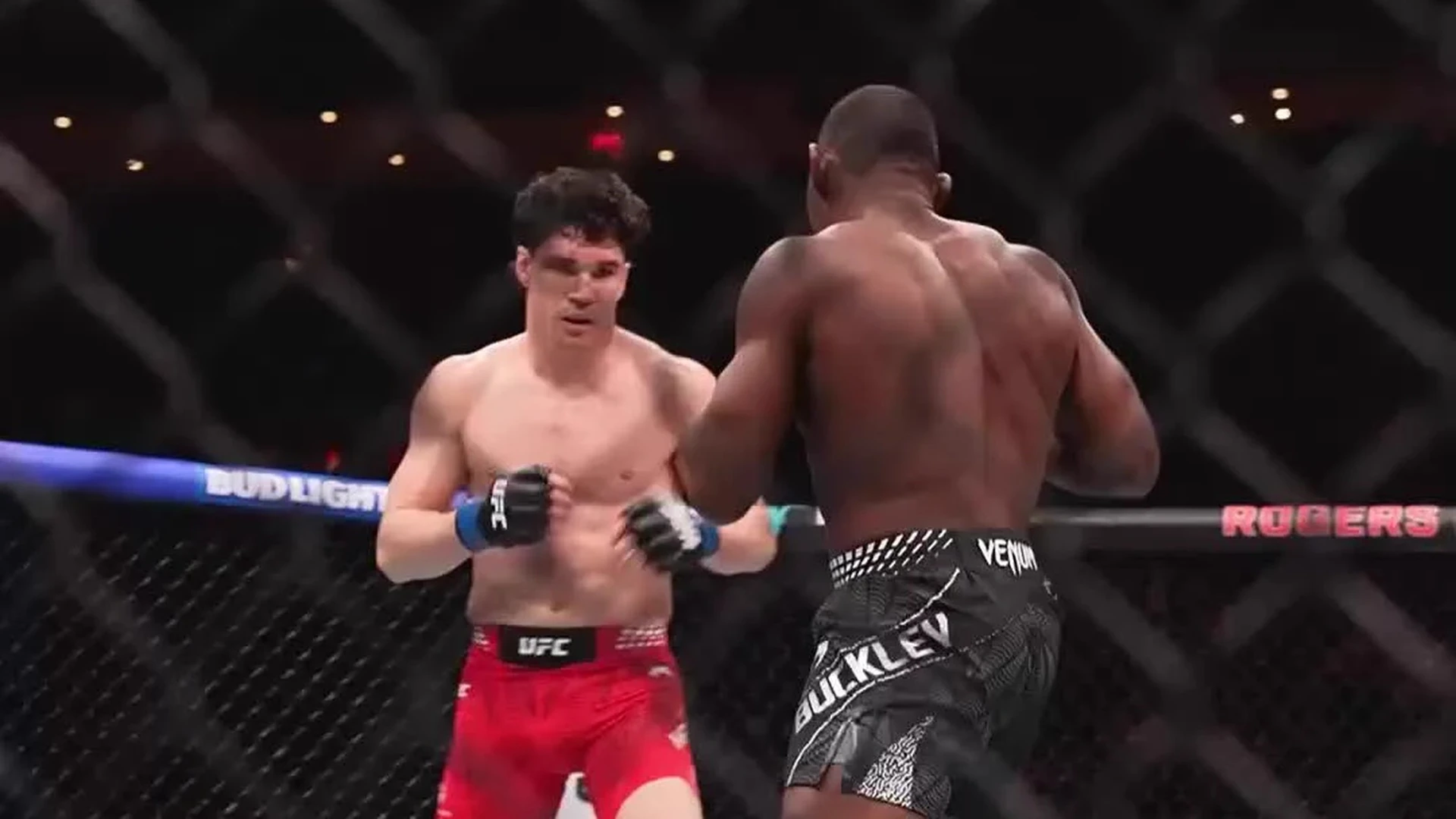
Caution did not eliminate risk. Buckley could still flip the fight with a single explosive surge, and Malott had to keep guarding the ground near the cage. What set him apart was that he held back his most committed offense until he had figured out Buckley’s rhythm.
A knee landed once Buckley’s approach became readable
Early in the second round, Malott moved into Buckley’s path as he advanced and connected with the knee that ended it. The shot landed because it caught forward movement; it was no lunging effort launched from distance. When Buckley hit the canvas, the referee halted the bout at 2:32.
The stoppage brought Malott a performance bonus and handed the Edmonton crowd the main-event outcome it had come for. Just as important for his standing, he beat a respected knockout threat without having to get through a five-round scorecard.
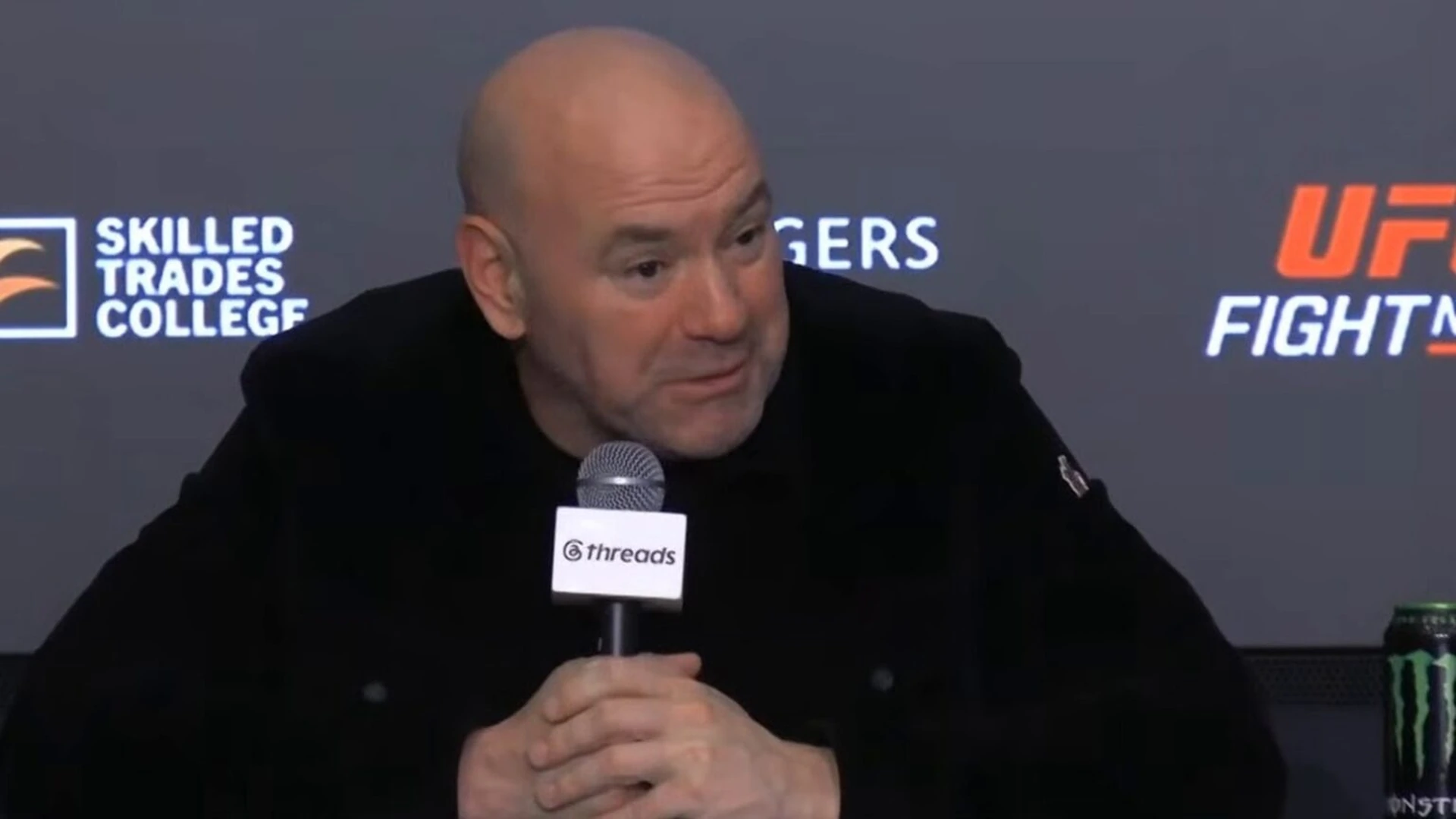
The next fight needs the same restraint
After a highlight finish, it is tempting to go looking for the next one right away. Malott’s best work in Edmonton, though, happened before the knee: managing distance, gathering details and waiting for the point where Buckley’s movement limited his choices. That method should carry into his next bout.
Buckley now has two straight problems to fix. His explosive attacks are still a threat, yet his predictable forward entries hand opponents a window for counters and takedown attempts. He needs a more varied game so his next opponent cannot simply wait for the pattern Malott exploited.
Fight Talk
Share your take on this story
Start the Conversation
Be the first to share your take. Discuss the fight, reactions, and predictions with other fans.