


Gane is most effective when he controls the first step
Gane rarely stands directly in front of an opponent for long. He changes stance, touches the body with kicks and uses small lateral movements to make a straight rush miss. Those actions give him time to see the next attack and decide whether to counter or reset.
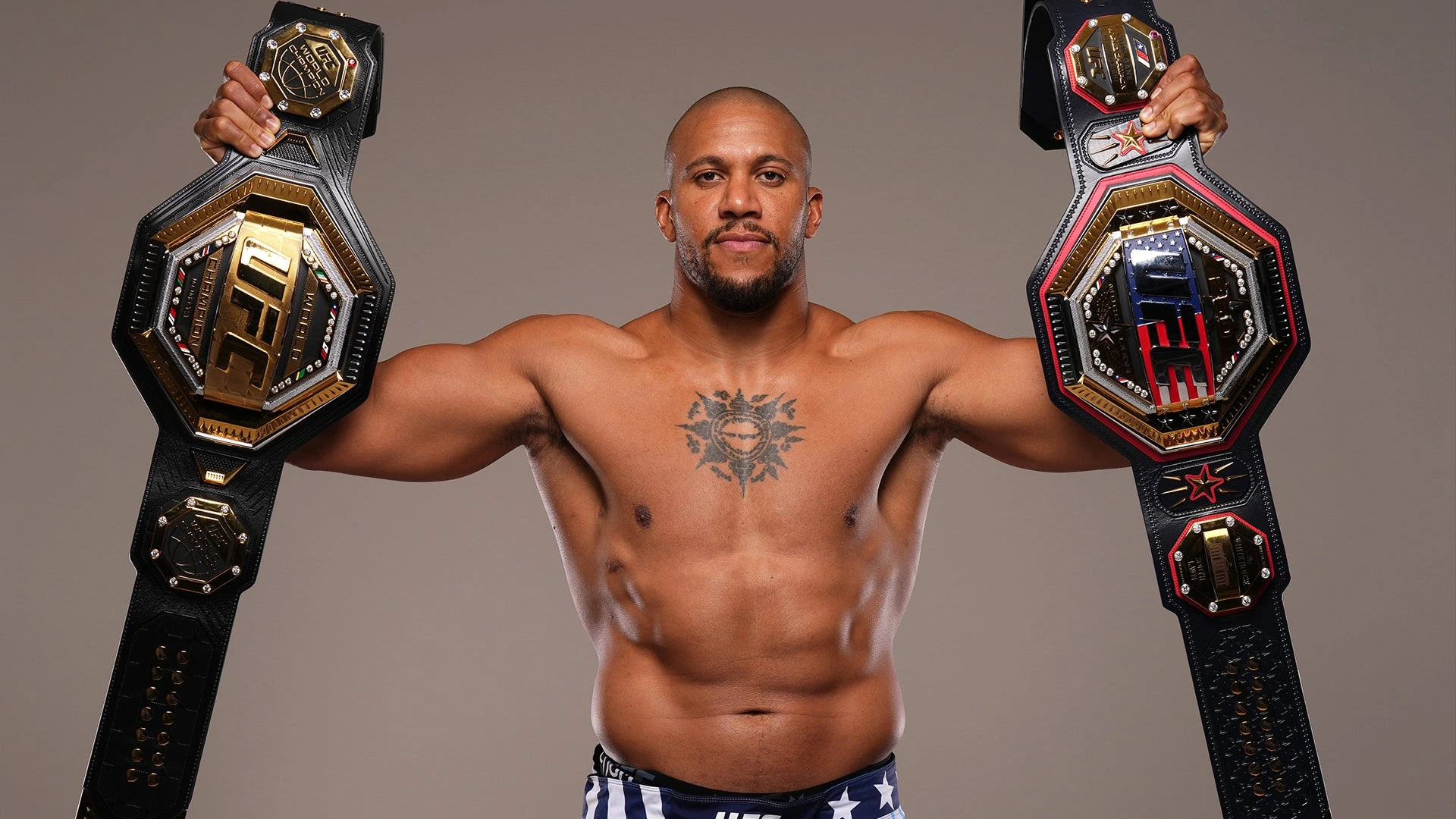
The champion’s jab is important even when it does not land cleanly. It occupies the challenger’s guard and hides the kick that follows. Gane can also use it while moving backwards, which makes the final step of Hokit’s entry more difficult.
Hokit needs pressure that remains technically organised
UFC 334 takes place on 14 November in New York. Hokit cannot wait at long range because that gives Gane freedom to score without accepting the kind of exchange the challenger prefers. His pressure must cut off the cage rather than follow the champion in a wide circle.
A successful entry should connect punches to a body lock or takedown attempt. Even when the first shot fails, holding Gane against the fence can reduce the champion’s movement and make the next break more tiring. Rushing from too far away would instead expose Hokit to knees and counters.
| Fight detail | Information |
|---|---|
| Bout | Ciryl Gane vs Josh Hokit |
| Division | Heavyweight title |
| Venue | Madison Square Garden, New York |
| Scheduled rounds | Five |
The clinch can determine how quickly the fight changes
Gane has improved his ability to frame, pummel for inside position and turn away from the fence. Hokit must prevent those exits by controlling the hips and keeping his head correctly placed. The battle for underhooks may matter more than one dramatic takedown.
For Gane, breaking the clinch safely is only the first task. He needs to leave on an angle so Hokit cannot launch another entry immediately. A clean knee or short elbow during the separation could also discourage repeated pressure.
Five rounds reward efficiency and disciplined choices
Hokit can make the fight demanding, but every unsuccessful wrestling sequence costs energy. Gane should force him to work for each position and avoid giving away the fence through unnecessary spinning attacks. The challenger needs to create damage or control before fatigue reduces his entries.
The central question is whether Hokit can keep Gane in a confined area for long enough to impose his strength. If the champion repeatedly returns to open space, his speed and accuracy should grow more influential with every round. If Hokit controls the cage, the title fight becomes much less predictable.

Fight Talk
Share your take on this story
Start the Conversation
Be the first to share your take. Discuss the fight, reactions, and predictions with other fans.