

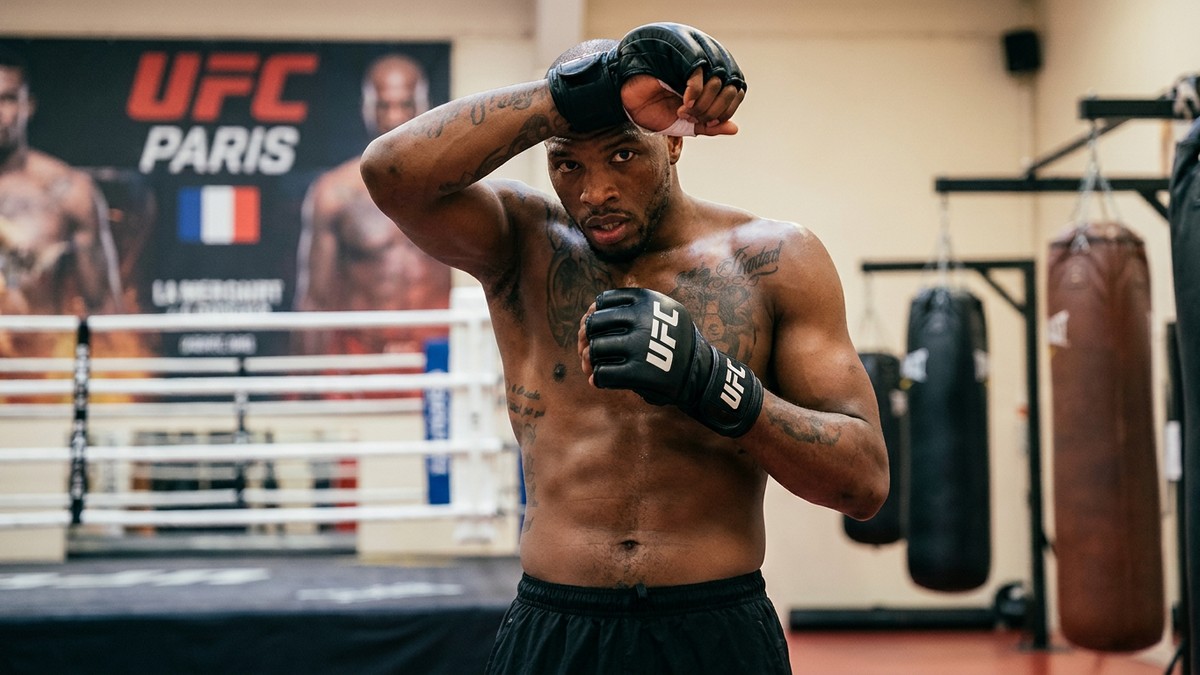
A unanimous decision over Nursulton Ruziboev gave Michael “Venom” Page the official win at UFC Paris, yet it did not provide the performance he had envisioned. The bout lasted all three rounds, or 15 minutes, and Page landed 12 significant strikes without putting Ruziboev down. Ruziboev did not reach double digits in significant strikes, but the restrained contest still left the Paris crowd dissatisfied. Page heard that reaction and did not attempt to treat the scorecards as proof that everything had gone right. His post-fight assessment instead focused on the limited action, the expectations he had set for himself and the need to find a more productive version of his style.
That response matters because Page did not identify his physical condition as the obstacle. He said he felt great, while also describing a familiar frustration when he gets to the cage: a sense that he is holding something back. In his view, the problem is not simply winning or losing exchanges. It is the tendency to chase a clean, precise performance so carefully that he does not push himself far enough. The result against Ruziboev therefore stands as both a victory and a warning from Page’s own perspective. He got the decision he wanted, but he believes the fans and the UFC were entitled to more from the fight. The gap between those two outcomes is the central issue surrounding his UFC Paris appearance.
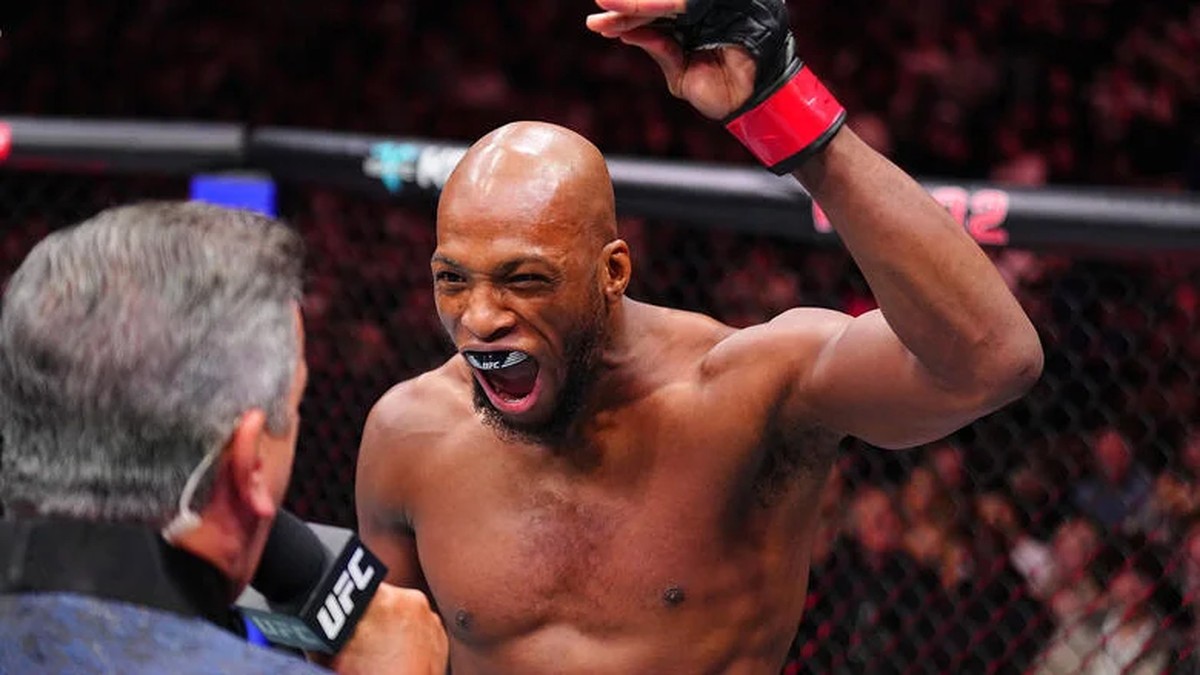
A promise to open up met a cautious fight
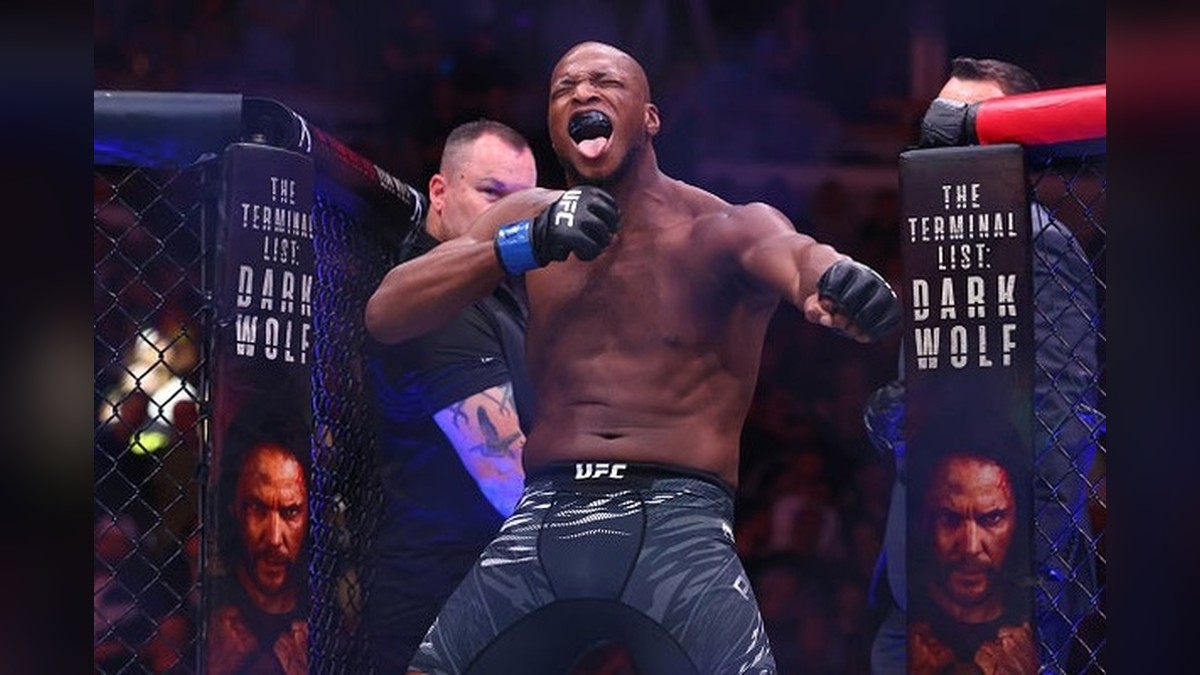
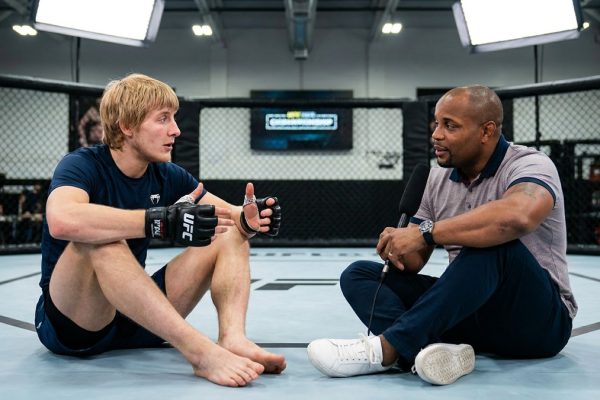
Days before meeting Ruziboev, Page had explained that revisiting his older fights made a change in his approach clear to him. He remembered competing more freely, enjoying himself and allowing unusual ideas to emerge naturally. Since arriving in the UFC, he felt he had become increasingly concerned with securing the right result and getting the job done in the right way. That mindset, he said, had made his performances feel less natural than they once did. His stated aim for UFC Paris was to reconnect with that freer approach. Page spoke about enjoying the moment, taking risks and trying something crazy when the opening was there. The fight did not develop into that type of display. It ended in a unanimous decision, with only 12 significant strikes landed by Page across three rounds and no knockdown of Ruziboev. Those figures do not by themselves tell the whole story of a fight, but they fit the reason Page and the audience came away wanting a more active showing. The contrast can be followed through three Key points:
Page’s answer is not an announced overhaul or a claim that he already knows the solution. He said he must return to the drawing board, work through possible adjustments in sparring and see what follows. One possibility he raised was changing his style enough that opponents feel safer pressing forward. Page acknowledged the trade-off in that idea: becoming more inviting could make him slightly less dangerous. Still, he suggested that a higher-volume fight might help him produce the outcome he wants. That is a useful distinction in his comments. Page is not presenting precision as a flaw by itself, nor is he blaming Ruziboev for the lack of action. He believes he can have a similar effect on whoever is opposite him, which is why he has sought bigger names. His reasoning is that leaving those opponents stunned would carry greater weight. For now, however, his immediate focus is on testing whether a different balance of danger, pressure and activity can let him give more than he did in Paris.
The completed contract raises the stakes
The Ruziboev bout also completed Page’s current UFC contract. That timing gives his dissatisfaction a practical consequence beyond one night’s crowd response. Page said he expects to sit down with UFC matchmakers and executives for an honest conversation about whether the promotion wants him back. He remains focused on doing better, has called for better opponents and said he believes he can deliver something special for the crowd if given that opportunity. At the same time, Page said he could understand why the UFC might review this performance and ask whether another deal would bring a different result. From his perspective, the latest fight felt like more of the same. He did not say that Ruziboev’s approach forced the performance; instead, he placed responsibility on what he himself did in the cage. That ownership is consistent with his earlier admission that he needs to push harder and accept more risk. The reporting confirms only that talks are due after the contract-ending victory. It does not establish that the UFC has offered Page a new deal, that he has signed one or that a new opponent has been selected. The next confirmed step is discussion. Whether that discussion leads to another UFC chapter remains undecided.
- Before UFC Paris, Page said he wanted to enjoy the fight more, take risks and let unexpected creativity develop instead of concentrating so heavily on the result.
- Against Ruziboev, Page won the unanimous decision but landed 12 significant strikes in three rounds and did not score a knockdown.
- After the bout, Page said he would test adjustments in sparring, including a style that could encourage opponents to come forward more often.
| 주제 | UFC Paris detail |
|---|---|
| 공식 결과 | Page defeated Nursulton Ruziboev by unanimous decision. |
| Striking activity | Page landed 12 significant strikes over 15 minutes; Ruziboev did not reach double digits. |
| 계약 상태 | The victory was Page’s final fight on his current UFC contract. |
Page left UFC Paris with a win, but his own words made the decision feel less like a finished statement than a prompt for change. He had wanted to fight with more freedom and risk, then found himself in another low-output contest that drew an unhappy reaction from the crowd. His proposed response is to examine his style in sparring rather than offer an instant fix. With his current UFC contract now fulfilled, that effort will sit alongside conversations with the promotion about what comes next.
파이트 토크
이 이야기에 대한 여러분의 생각을 공유해 주세요.
대화 시작
가장 먼저 여러분의 생각을 공유해 보세요. 다른 팬들과 함께 경기, 반응, 예측에 대해 토론해 보세요.