

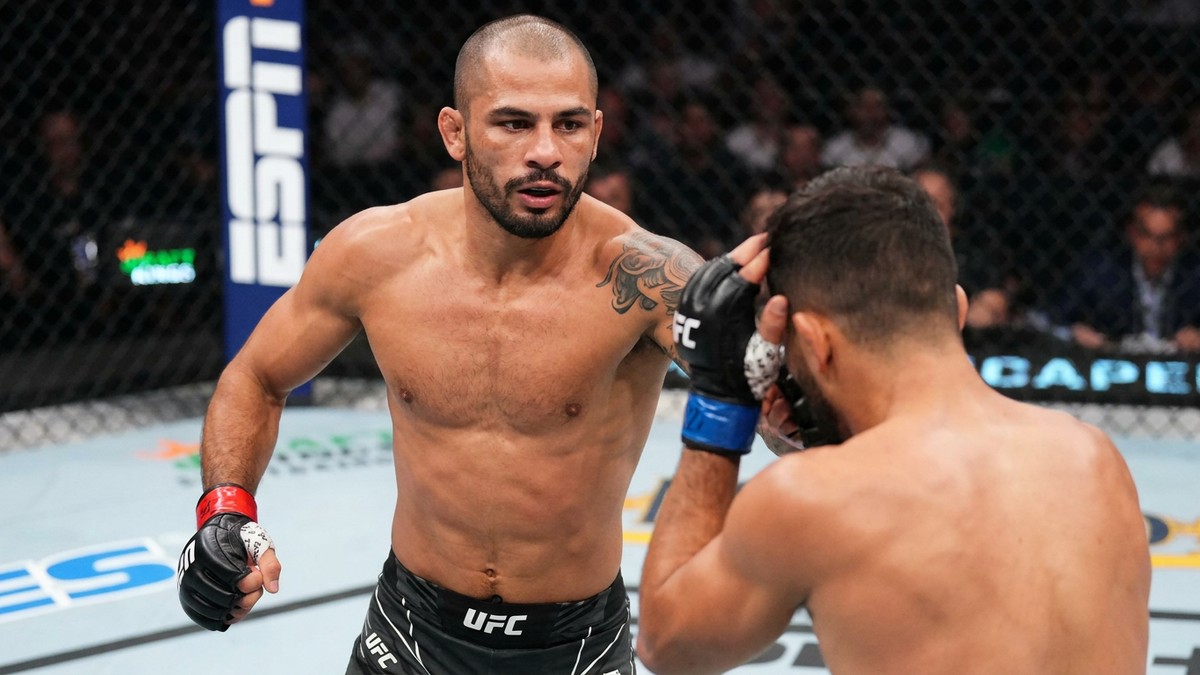
Alexandre Pantoja returned from injury at UFC 331 and, according to ESPN’s assessment, looked recognizably like the fighter he had been before the setback. The report did not portray his performance as a cautious re-entry. Pantoja pressed forward with appropriate pressure, made sound decisions and showed a level of determination that appeared even stronger than it had been before the injury. That combination made his return a meaningful part of a main card filled with striking moments. The outcome, however, belonged to Joshua Van. ESPN described Van as better on the night, particularly in the areas where Pantoja needed to make his pressure count. Van defended takedowns, escaped when Pantoja got the fight to the ground and eventually pulled away on the scorecards. For Pantoja, the UFC 331 appearance supplied a clear picture of both his comeback form and the exact resistance he encountered.
Pantoja’s showing matters because the source identifies concrete signs that his game remained present after injury. His pressure was not described as reckless, and his choices were judged sound. Those details distinguish a competitive return from one in which a fighter merely survives the occasion. At the same time, the fight showed that effective pressure has to be converted against a disciplined opponent. Pantoja was able to create ground situations, but Van’s ability to escape limited the value of those moments. The contest also carried tension deep into its final round. ESPN said the result still felt up in the air in the fifth, which underlines that Pantoja remained involved in a difficult fight rather than being removed from it early. The decisive late sequence came when Van produced his best five minutes and dropped Pantoja with a right hand. The scorecards ultimately reflected Van’s stronger overall performance, but the route to that result included a sustained test of Pantoja’s returning form.
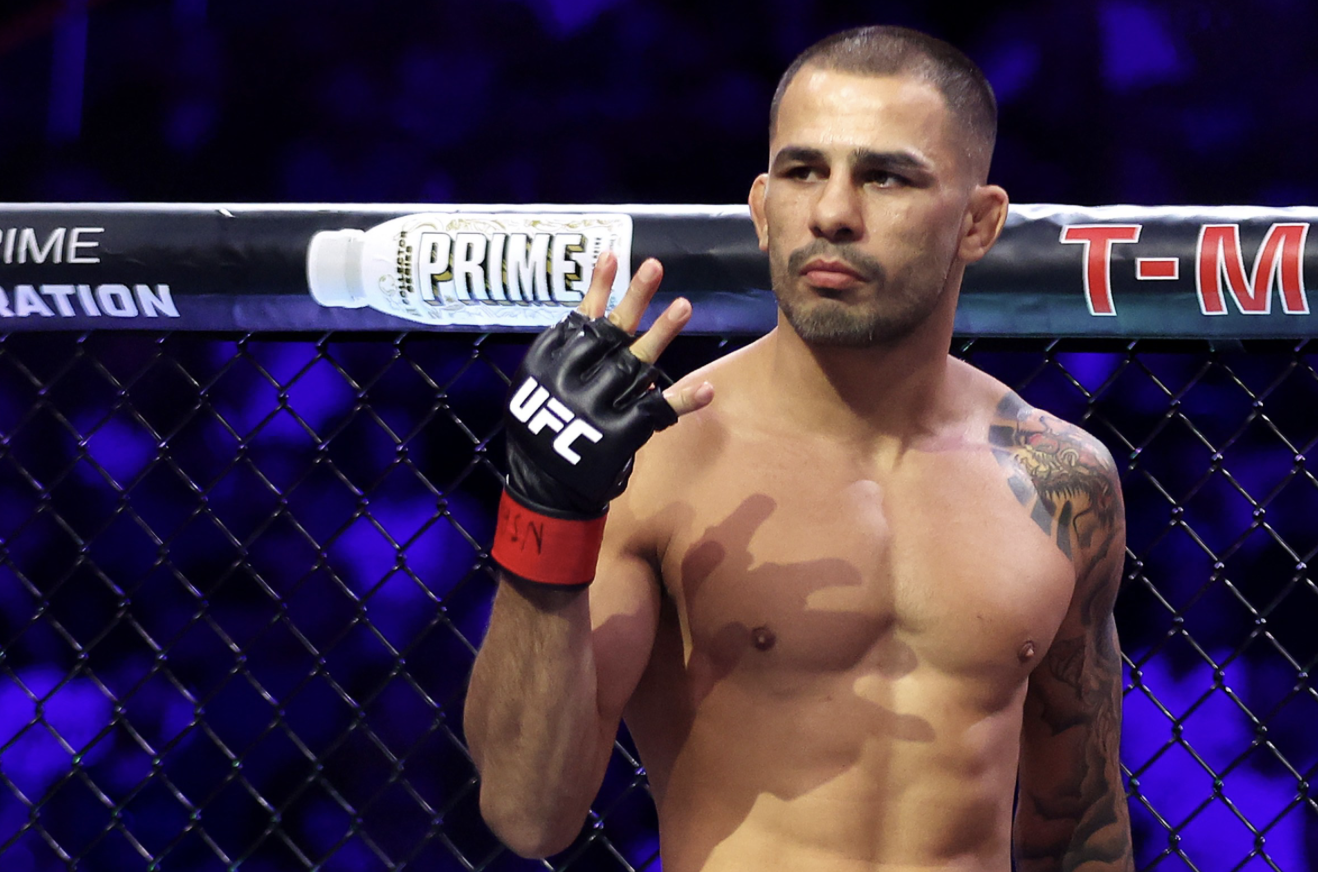
How Alexandre Pantoja’s return unfolded
The central question around Alexandre Pantoja at UFC 331 was how he would look coming off injury. ESPN’s answer was direct: he looked like the same Pantoja seen before the injury, and perhaps a more determined version. That assessment rests on the way he approached the fight. Pantoja applied pressure at an appropriate level and made sound decisions, rather than abandoning the qualities that had defined his work before the layoff. His offense also created opportunities in the grappling exchanges.
Pantoja got Van to the ground at points during the bout, which is important context because it shows he could still bring the fight into areas of his choosing. Yet the source credits Van with escaping on the ground whenever Pantoja did get him there. The distinction is central to understanding the fight: Pantoja generated chances, while Van consistently found answers that prevented those chances from becoming sustained control. On the feet, Van also disrupted parts of Pantoja’s attack. ESPN noted that Van caught some of Pantoja’s kicks, in a manner similar to the kick Van caught in December that led to Pantoja’s injury. The report additionally raised the possibility that Van caught Pantoja’s glove as Pantoja threw a punch before countering. That observation was presented as a question rather than a confirmed ruling, but it reflects the close attention to the technical exchanges that shaped the contest.
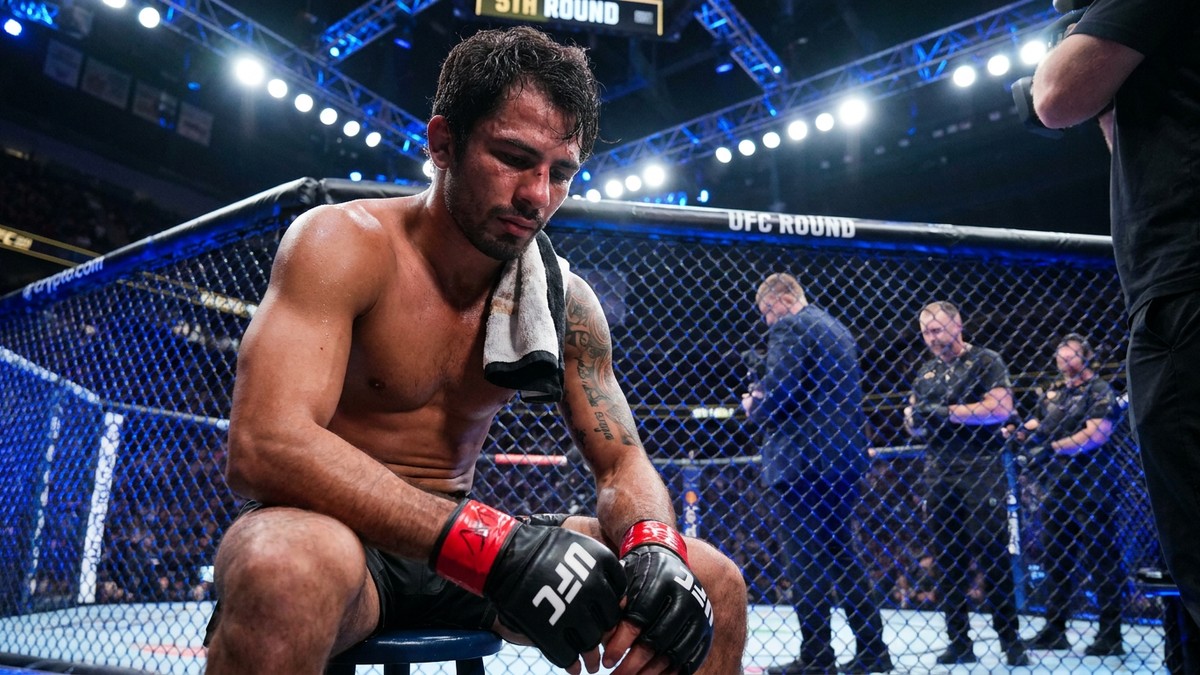
The fifth round provided the clearest late turning point. Even with the result still feeling uncertain, Van delivered his strongest five minutes and dropped Pantoja with a right hand. That moment did not erase the evidence of Pantoja’s active return, but it gave Van a major advantage at the stage when the fight was most consequential. ESPN’s final characterization was that Van ran away on the scorecards after what it called one of the year’s most technical fights. For Pantoja, that framing is more informative than a simple result. He returned from injury with pressure, decision-making and enough grappling initiative to test Van. Van’s takedown defense, ground escapes and late right hand explain why Pantoja could not turn those qualities into the final verdict. The fight therefore stands as both a comeback performance and a detailed example of how a technical opponent can answer a pressure-based approach across five rounds.
What the fight says about Pantoja
Alexandre Pantoja’s UFC 331 performance can be read through two supported points. First, the injury had not stripped away the attributes ESPN highlighted: determination, appropriate pressure and sound choices. Second, the bout exposed how demanding the matchup was. Van was credited with defending takedowns, escaping ground danger and taking command late, while also catching some of Pantoja’s kicks. That does not require a broader prediction about Pantoja’s future, which the supplied material does not provide. It does establish why his return drew attention. He was not described as passive or unprepared after injury; he was described as the familiar Pantoja facing an opponent who executed better. The final-round knockdown and scorecard outcome were decisive, but they came after a fight in which Pantoja’s returning tools were visible throughout.
- Pantoja returned from injury with appropriate pressure, sound decision-making and visible determination.
- Pantoja created ground exchanges, but Van defended takedowns and escaped when Pantoja got him to the mat.
| Fight phase | Confirmed detail involving Alexandre Pantoja |
|---|---|
| Return from injury | ESPN said Pantoja looked like the same fighter as before the injury, if not more determined. |
| Fifth round | Van dropped Pantoja with a right hand during his best five minutes of the fight. |
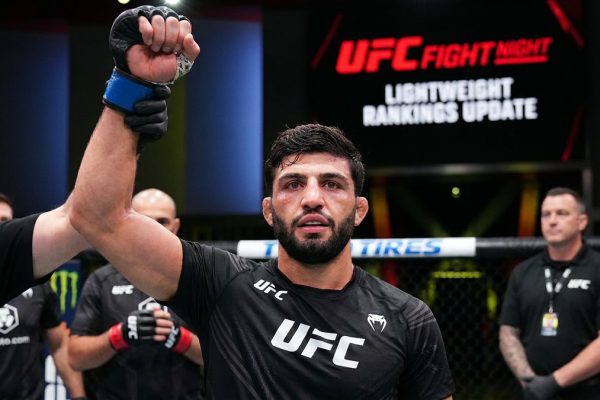
Alexandre Pantoja’s UFC 331 return offered tangible evidence that his pre-injury approach remained intact. His pressure and decision-making were praised, and he found ways to bring Van into grappling exchanges. But Van’s defensive responses, technical work and fifth-round knockdown determined the night. The scorecards favored Van, while Pantoja’s performance supplied a specific, source-supported measure of where his comeback began.
Fight Talk
Share your take on this story
Start the Conversation
Be the first to share your take. Discuss the fight, reactions, and predictions with other fans.